


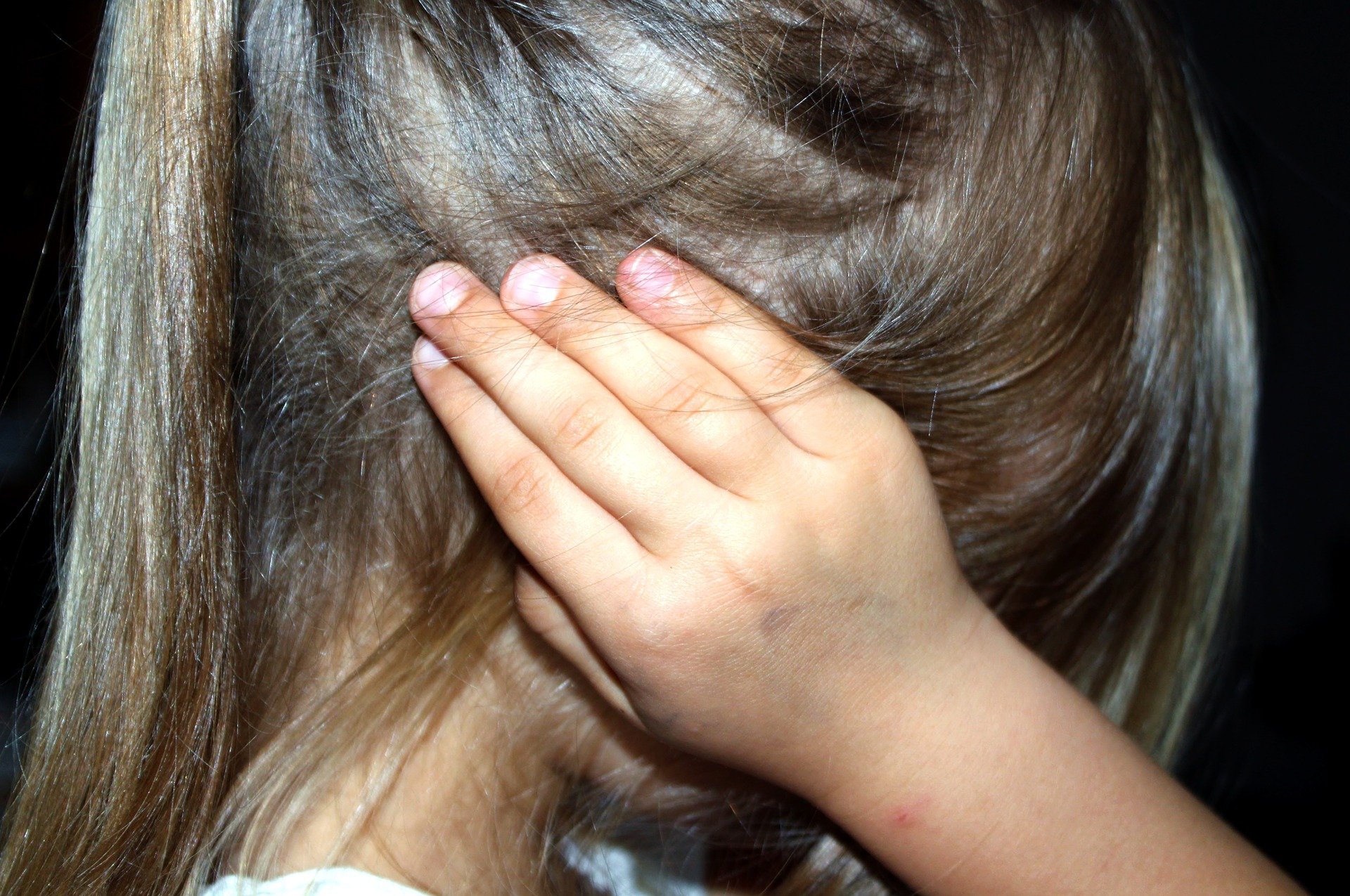
The risk of young people suffering the toxic consequences of domestic abuse has been heightened, reports a children’s charity in the UK. Referrals from the NSPCC helpline about children living with domestic abuse have increased by more than 50% during the pandemic.
Across the UK, The NSPCC is receiving an average of over 30 contacts a day from adults worried about children living with domestic abuse. Concerned neighbours have frequently reported the charity’s confidential Helpline about hearing non-stop arguing from the adults, and kids crying.
A member of the public who had called the Helpline for advice said:
“For the past few weeks, I’ve been hearing loud and aggressive shouting between a man and woman who lives a few doors away from me. They’re at it pretty much every day, and it generally lasts a couple of hours. Sometimes I hear their children crying when the parents are arguing. I’ve only really noticed this since I’ve been at home on furlough. I’m worried the kids aren’t being looked after properly.”
418 referrals were made to the police and other agencies in the North East and surrounding areas between April and December last year. The monthly average rose from 38 before the first lockdown to 46 in the months following.
Last year, the Government amended their landmark Domestic Abuse Bill to recognise that children do experience domestic abuse and could also be victims. As the Bill enters Committee Stage this week, the NSPCC is now urging parliamentarians to pressure the Government to accept a further amendment. This new amendment should ensure statutory duty on local agencies to provide community-based services so children can access support wherever they live. Without this, the charity fears funding allotted for community-based services could be diverted to prioritise accommodation-based services that councils have a legal duty to provide. This new duty must be backed up by adequate funding for local agencies so they can deliver it.
“With families living under increasing pressure and behind closed doors, the risk of domestic abuse has been heightened in the past nine months”, said Anna Edmundson, NSPCC head of policy.
Anna Collishaw-Nikodemus, NSPCC Campaign Manager for London, said:
“We need to stop the pandemic from having a lasting impact on children who suffer in this way. They must have access to community support to recover and move forward with their lives, as not all victims can go to a refuge for support. The Government has taken the crucial step of recognising the profound impact domestic abuse has on children’s wellbeing. Now it needs to go further and ensure there are services for children in the community, wherever they live.”
One community-based service is the NSPCC’s Domestic Abuse Recovering Together (DART) programme which supports mothers and children to deal with the impact of domestic abuse.
Given the increased need for services like DART to help families deal with the effects of abuse during the lockdown, the NSPCC is looking to accelerate upscaling the service.
 A teenager reported his plight to the Childline:
“Recently my mum has been yelling at me and calling me names for no apparent reason. My parents fight a lot, like really a lot. My dad overreacts, but mum makes the situation worse. Today my parents got in a huge argument that included a lot of shouting, and my dad was throwing things at my mum. I was shocked because none of their fights got physical before, and now I wonder how bad things could get. My parents don’t talk anymore, and they treat me like their little messenger passing comments between them. It is really affecting me as I constantly feel anxious and cry myself to sleep. I really need help.”
Young people who experience domestic abuse can have, trouble learning, depression or suicidal thoughts, or develop eating disorders drugs or alcohol problems. Left unaddressed this form of abuse can have profound and long-term impacts on children’s physical and mental wellbeing that can last into adulthood.
NSPCC’s Helpline for information and advice on 0808 800 5000,
NSPCC email help@nspcc.org.uk