


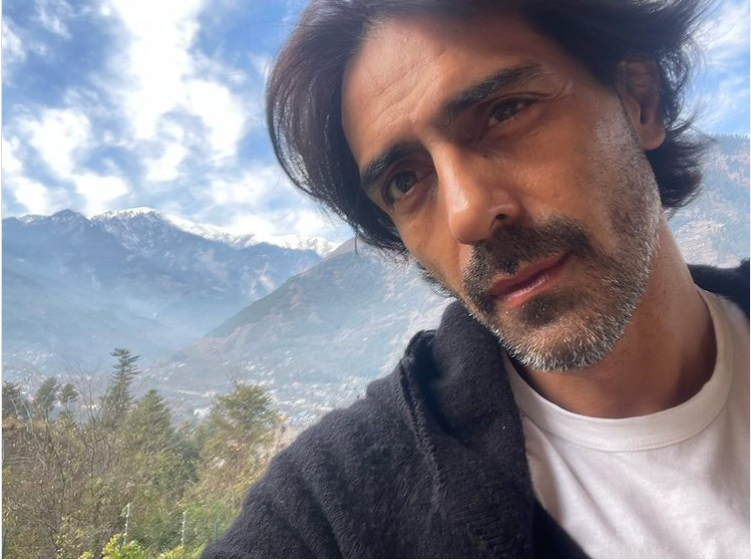
In an industry often criticised for neglecting stories of marginalised communities, Bhima Koregaon aims to break new ground. Directed by Ramesh Thete and starring Arjun Rampal, this historical drama shines a spotlight on the 1818 Battle of Bhima Koregaon, an event of immense significance in the Dalit movement for social justice. The film, produced by Chalavadi Kumar, is set for release in march 2025.
The film’s storyline is based on the real-life events of 1 January, 1818, when the British East India Company’s forces, including a contingent of Dalit Mahar soldiers, faced off against the Peshwa-led Maratha Empire in Koregaon, Pune. The Mahars, who were considered ‘untouchable’ under the caste hierarchy, played a decisive role in the British victory. This triumph was seen as a symbolic resistance against the Brahmanical oppression of the Peshwa regime, marking a significant moment in the fight against caste-based discrimination.
The battle has since become an emblem of Dalit pride and resistance. The British East India Company even erected a Victory Pillar at the site, which Dr. B.R. Ambedkar famously visited in 1927, cementing its place in the history of the Dalit movement. Every New Year’s Day, thousands of Dalit followers pay homage at the site, underscoring the battle’s enduring legacy. Bhima Koregaon’s narrative focuses not just on the historical clash but also on the broader implications of caste dynamics in Indian society. Arjun Rampal portrays a Mahar warrior, adding gravitas to a story that has long been sidelined in mainstream Indian cinema. The film’s potential exploration of caste oppression is especially timely given ongoing debates about representation and social justice in India.
While Bollywood has frequently celebrated other battles where Indian soldiers fought for the British, such as the Battle of Saragarhi, there has been a conspicuous silence around Bhima Koregaon. One user on X (formerly Twitter) noted, “The Battle of Saragarhi is celebrated by governments and media, whereas Bhima Koregaon is celebrated only by the Dalits.” Another tweet lamented the lack of Dalit representation in Hindi cinema, saying, “Till date, I see people quoting a 1936 film Achhut Kanya when they talk about Dalit representation in Hindi films. It’s a sad state that we have just a handful of films focusing on the marginalised.”
The film’s release is highly anticipated, with viewers eager to see Arjun Rampal’s return to the big screen in a role that seems tailor-made for his intense persona. Social media is abuzz with excitement, with one user stating, “Arjun Rampal is back,” while others have raised questions about the film’s release date, reflecting the growing interest in this untold story.
However, the film also faces the challenge of presenting a nuanced portrayal of a complex historical event. Critics like Anand Teltumbde, a prominent Dalit scholar, argue that framing the battle purely as a conflict between the Mahars and the Peshwas might be misleading, as the Peshwa forces retreated largely due to the fear of a larger British contingent. This perspective highlights the risk of oversimplifying historical narratives for the sake of cinematic drama.
As the release date approaches, it will be interesting to see how contemporary audiences respond to a film that not only revisits a crucial historical moment but also engages deeply with the caste dynamics that continue to influence Indian society today. Whether it becomes a landmark film for Dalit representation or faces the same challenges of historical simplification, Bhima Koregaon is undoubtedly a bold and important addition to the cinematic landscape.