



For decades, Bollywood’s biggest blockbusters have largely revolved around male superstars. Even when women delivered unforgettable performances, they were often positioned alongside a hero rather than driving the narrative themselves.
But July 2026 feels different.
Within the space of just a few weeks, three major female-led films are set to dominate cinema screens. Yash Raj Films’ Alpha, starring Alia Bhatt and Sharvari, arrives as perhaps the most ambitious female action film ever mounted in Hindi cinema. Releasing on the very same day is Huma Qureshi’s Baby Do Die Do, another action thriller centred around India’s first female hitwoman. Later in the summer comes Shraddha Kapoor’s Eetha, a biographical drama celebrating one of Maharashtra’s greatest folk theatre legends.
The timing inevitably raises a question.
Is Bollywood genuinely embracing stories led by women, or has female-led cinema become the industry’s latest commercial trend?
The franchise game-changer

Of the three films, Alpha undoubtedly carries the greatest commercial expectations.
Produced by Yash Raj Films, it becomes the first female-led chapter within the hugely successful YRF Spy Universe, a franchise previously built around Salman Khan’s Tiger, Shah Rukh Khan’s Pathaan and Hrithik Roshan’s Kabir. Rather than creating a standalone female action film, the studio has placed two women at the centre of one of India’s biggest cinematic brands.
Alia Bhatt plays Sita, a battle-hardened operative described as fearless and uncompromising, while Sharvari joins her in what appears to be an emotionally driven partnership filled with spectacular action sequences. Early footage suggests the film combines large-scale espionage, hand-to-hand combat and emotional storytelling rather than relying solely on spectacle.
The preparation reflects the scale of the production. Both actresses underwent extensive physical training to perform demanding action sequences, with Bobby Deol publicly praising their commitment and discipline during filming, describing their dedication as one of the highlights of the production.
Perhaps the biggest statement, however, comes from Yash Raj Films itself.
Reports suggest the studio declined a reported ₹215 crore (around £17million) streaming deal in favour of an exclusive theatrical release, signalling enormous confidence that audiences will turn out for a female-led blockbuster.
Huma Qureshi’s alternative approach
If Alpha represents studio spectacle, Baby Do Die Do takes a different route.
Produced by Huma Qureshi alongside her brother Saqib Saleem, the film has been marketed as India’s first “desi female hitwoman” story. While both Alpha and Baby Do Die
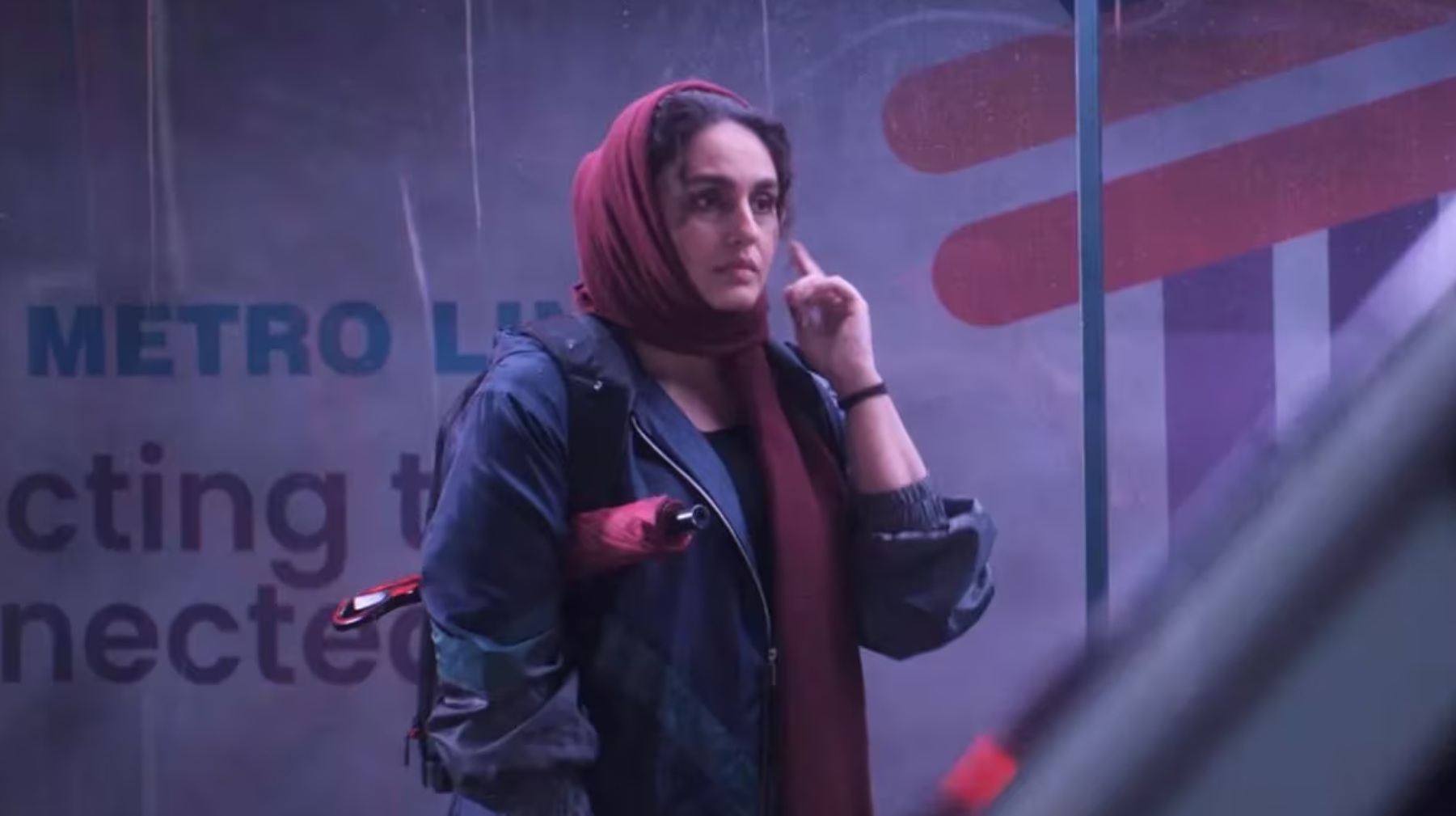
Do feature female assassins, their positioning could not be more different.
Alpha sits inside an established billion-rupee franchise.
Baby Do Die Do must build its own identity from scratch.
That independence may ultimately become its biggest strength.
Huma has spent much of her career deliberately avoiding conventional heroine roles. From Gangs of Wasseypur to Maharani, she has consistently chosen morally complex, unconventional women rather than glamorous stereotypes.
This latest role appears to continue that philosophy, presenting a protagonist operating in shades of grey rather than traditional Bollywood heroism. Trade observers have already noted the unusual coincidence of two female assassin films releasing on the same day, creating one of Bollywood’s most fascinating box-office battles in years.
Unlike Alpha’s franchise advantage, Baby Do Die Do will rely heavily on storytelling, reviews and word-of-mouth.
Shraddha Kapoor’s transformation
Then comes Eetha, arguably the most artistically ambitious of the three.
 Following the enormous commercial success of Stree 2, Shraddha Kapoor has resisted taking another straightforward commercial entertainer.
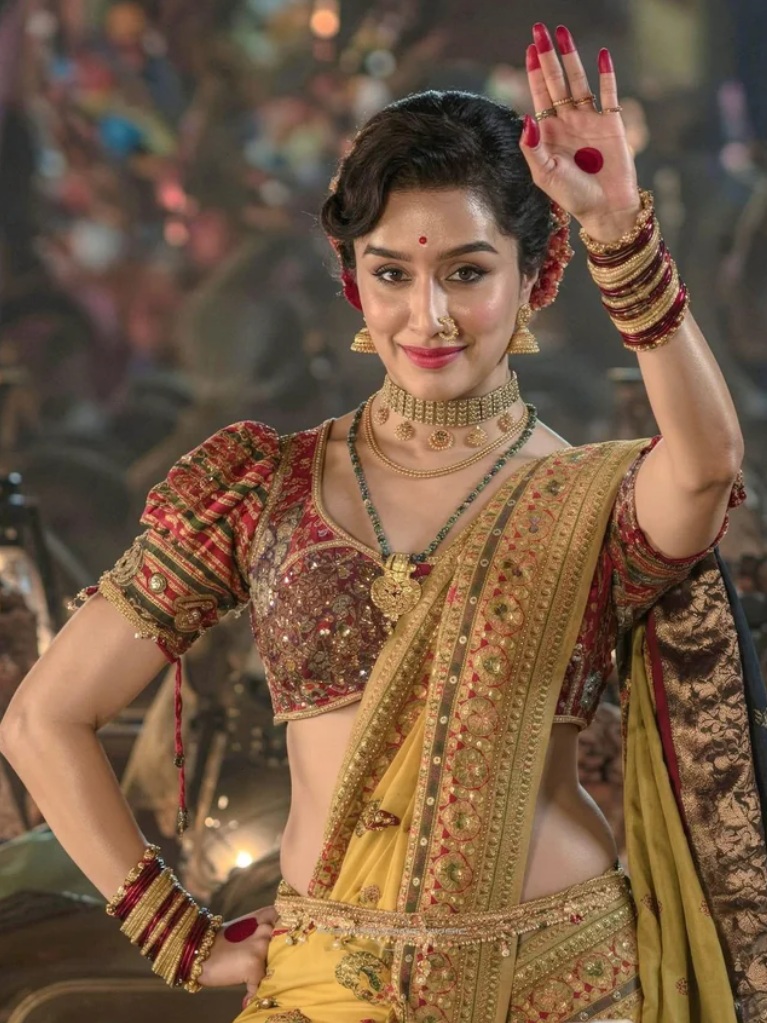
Instead, she has chosen to portray Vithabai Bhau Mang Narayangaonkar, one of the greatest performers in Maharashtra’s Tamasha folk theatre tradition.
The transformation appears remarkable.
The first-look posters revealed Shraddha dressed in traditional Nauvari saris, adorned with classical jewellery and gajra flowers, embracing the dignity and strength of a cultural icon rather than modern glamour. Early promotional material has highlighted authenticity over spectacle, positioning the film as both entertainment and cultural preservation.
Unlike Alpha or Baby Do Die Do, Eetha isn’t selling explosions or espionage.
It is selling heritage.
That makes its commercial challenge entirely different.
Biographical dramas depend upon emotional connection rather than opening-weekend excitement, but when successful they often enjoy longer theatrical runs through sustained audience appreciation.
Why audiences are responding
The common thread connecting all three films isn’t simply that women occupy the lead role.
It’s that none of these women exist to support somebody else’s story.
Alia Bhatt is no longer the love interest.
Huma Qureshi isn’t the side character.
Shraddha Kapoor isn’t simply playing a romantic heroine.
Each is carrying the weight of an entire film.
That reflects a wider evolution within Bollywood.
Audiences have increasingly embraced content where women are portrayed as leaders, fighters, decision-makers and flawed human beings rather than idealised supporting characters.
Streaming platforms have accelerated that change by exposing viewers to global storytelling where female protagonists are commonplace. Cinema now appears to be catching up.
The stars themselves
For each actress, these films arrive at defining moments in their careers.
Alia Bhatt already enjoys arguably the strongest combination of critical acclaim and commercial credibility among her generation. Following acclaimed performances across drama, romance and action, Alpha represents perhaps her biggest mainstream blockbuster opportunity yet. If successful, it could firmly establish her as Bollywood’s leading female action star.
Sharvari also has perhaps the most to gain. Appearing alongside one of India’s biggest stars within the YRF Spy Universe offers an opportunity to move decisively into Bollywood’s top tier.
For Huma Qureshi, Baby Do Die Do reinforces her reputation for choosing unconventional projects over formulaic commercial cinema.
Shraddha Kapoor, meanwhile, continues demonstrating a willingness to balance mass entertainers with culturally significant storytelling.
Collectively, they represent four very different career strategies.
Who will win?
Commercially, Alpha enters as the overwhelming favourite.
It carries the YRF Spy Universe brand, substantial marketing muscle, major stars and franchise recognition. Everything points towards the biggest opening weekend of the three films.
But box office isn’t always the only measure of success.
Baby Do Die Do could become the sleeper hit if audiences embrace its originality.
Eetha could emerge as the critical favourite, particularly if Shraddha’s performance matches the early expectations surrounding her transformation.
Perhaps, though, the biggest winner won’t be any single film.
If all three succeed in different ways, Bollywood will receive a far more important message, that audiences are no longer buying tickets because a film has a male hero or a female hero.
They’re buying tickets because they believe in the story.
And that may finally represent the biggest plot twist Bollywood has delivered in decades.