


Eid is a religious holiday celebrated by Muslims two days out of the year in the Islamic Calendar, which contends as the sighting of the crescent moon with the naked eye.
Already this year Ramadan has started on two different days, which means that as we start getting towards the end of the month of fasting, before we even get to the celebration of Eid-al-Fitr, the routine ‘moon wars’ debate among the British Muslim community, will begin. So when are doing Eid?
The Muslim Council of Britain reports that the first day of Eid will either fall on 2 or 3 May, but for some Eid could be on 1 or 2 May, as they started the month of Ramadan a day earlier on 2 April.
Asian Sunday spoke with Arabic and Islamic Sciences scholar Shaykh Bilal Brown to find out why this difference of opinion causes so much division amongst Muslims.
“We find different opinions in the books of jurisprudence throughout the different schools of thought.
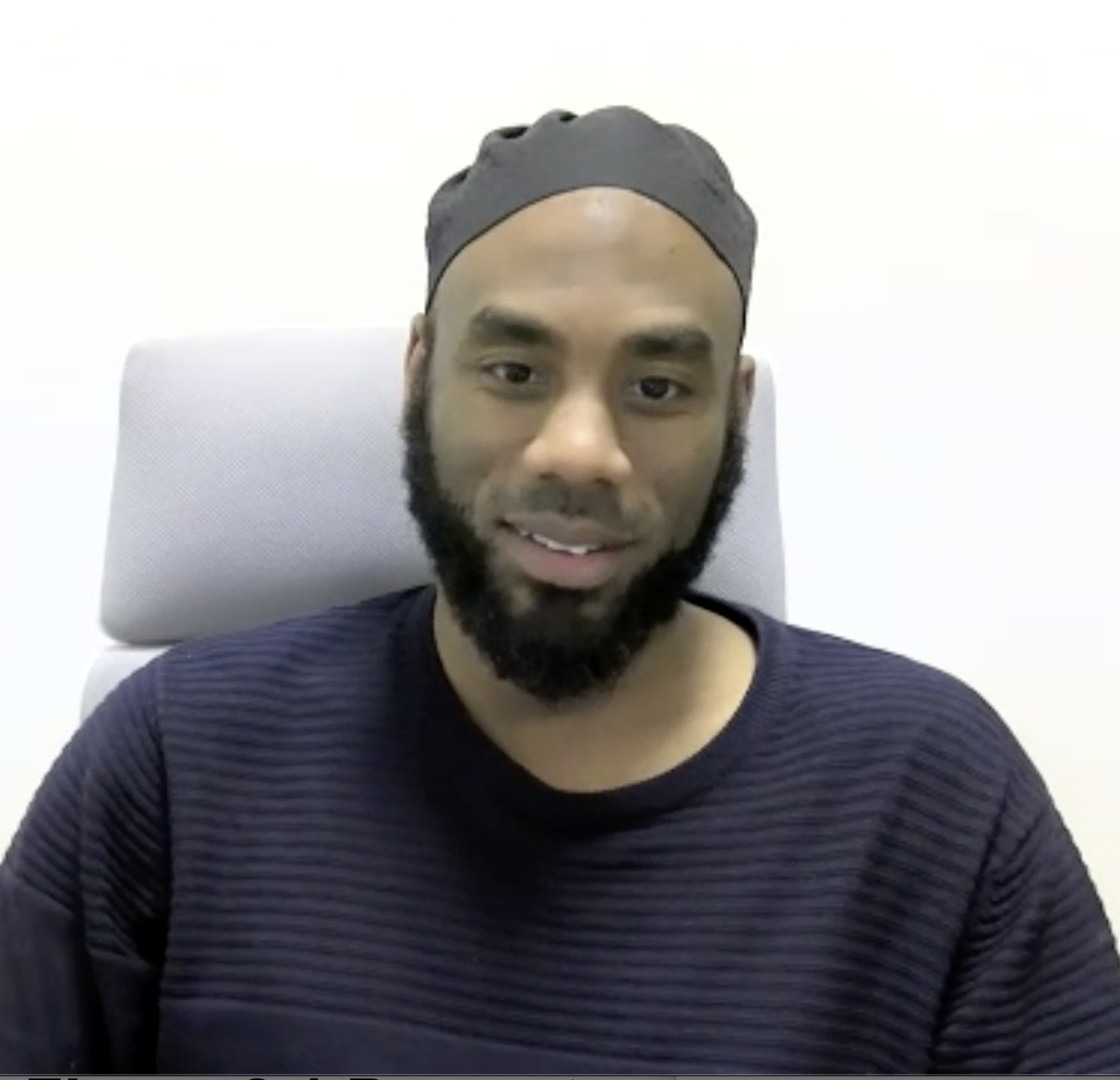
“Muslims in the UK, predominantly practice Sunni Islam, for which there are four main schools of thought.
“So even they differ on the criteria and method of sighting the moon, such as visibility, methodology and whether we can use astronomy and calculations.”
To resolve this indifference one community organisation based in London think they have a solution.
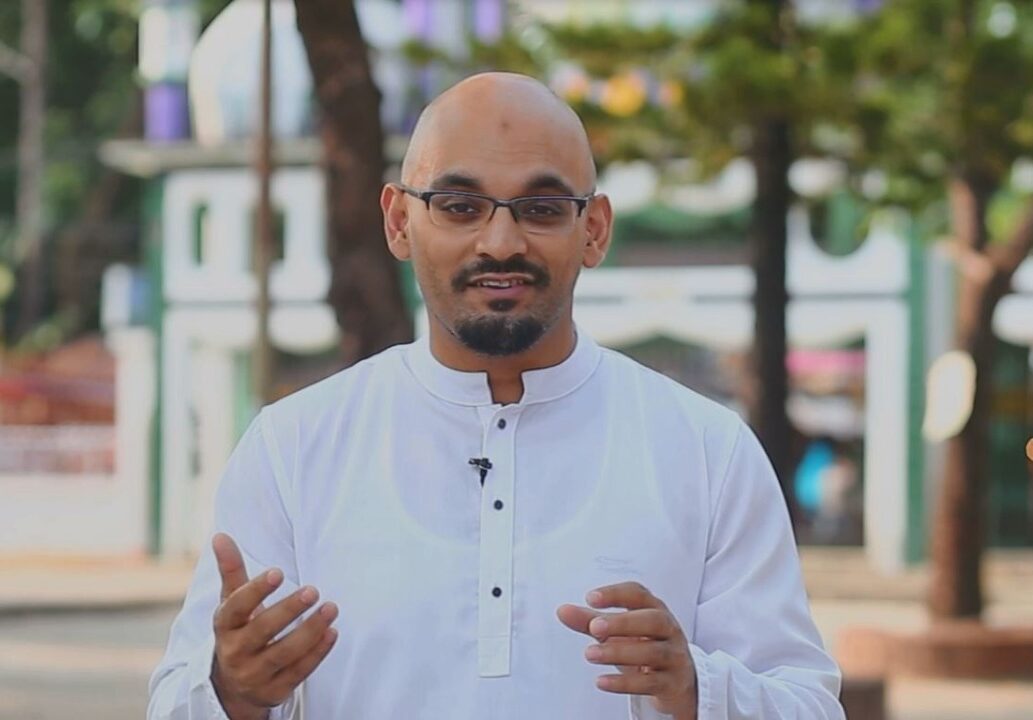
Director of New Crescent Society Imad Ahmad explains how their current project intends to create a unified lunar Islamic Calendar in the UK.
“The moon is an incredible symbol of unity, because the moon is for everyone, whether you are Sunni or Shia, Muslim, Christian, Hindu, Sikh, Buddhist or otherwise. Our mission is to reconnect Muslims to the moon, and find unity and consensus on the calendar here in the UK.”
This year the society celebrates a “historic moment”, as they applaud Preston Mosque for abandoning following Saudi Arabia and adapting their own local moonsighting for both Ramadan and Eid.
Mr Ahmed said that “interestingly, Saudi Arabia and Morocco both advise Muslims in the UK to follow our own local moon.”
While Mr Ahmed thinks a unified Eid calendar is a step in the right direction and can be adopted, Shaykh Brown however is apprehensive about whether Muslims would be convinced to take the step. He does however believe a local moon sighting committee is a way forward for unity.
He says: “the Muslim community will never have unity, unless we establish our own moon sighting committee locally here in the UK and ignore anything coming from abroad.”
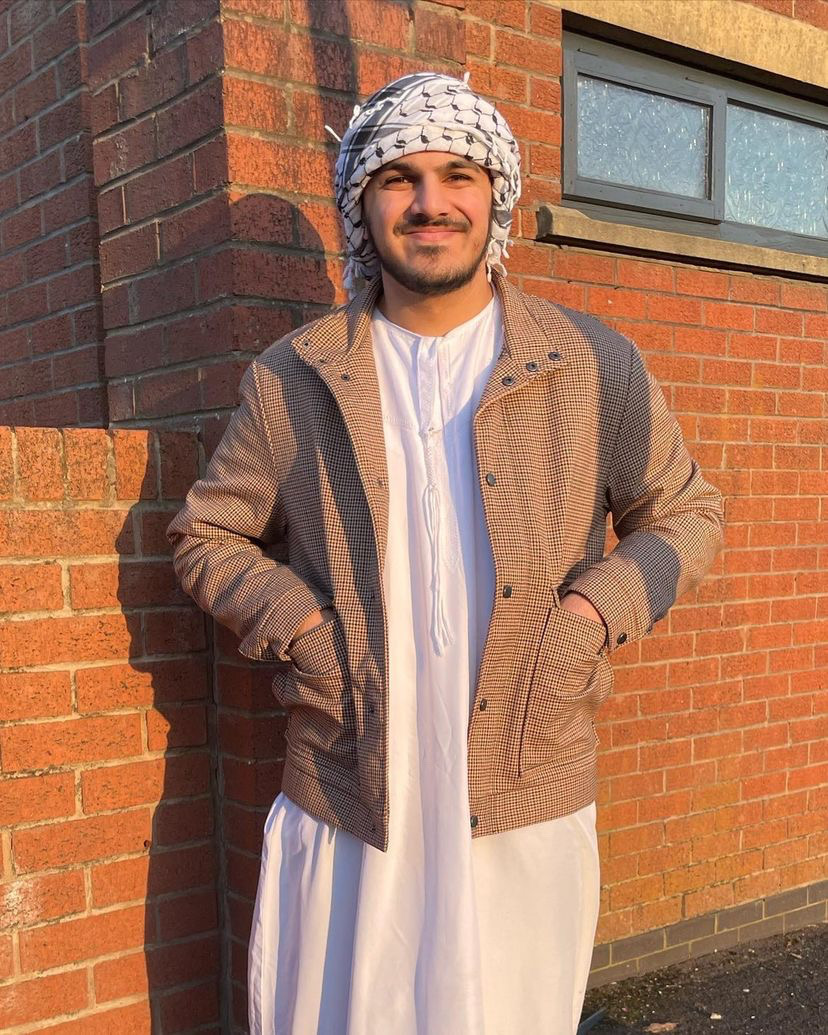
President of the University of Leeds Islamic Society, Harris Hussain, also agrees that Eid and Ramadan being on different days “causes disunity.”
When asked what he thought of the idea of having a unified calendar, Mr Hussain said: “a lot of people just follow their mosques, who either follow Morocco or Saudi.
“It could potentially bring a lot of people together and end the disunity between us, if we got our own moonsighting council.”
This outcome could only be achieved if British Mosques are willing to participate in carrying out their own local moon-sighting.
Stephen Ulysse, a 27-year-old new Muslim, living and working in London, talks about how all of this caused him confusion and how he navigated around the information he received.
His journey to Islam began in 2019, as he was working for Human Appeal in Manchester. He says “I was confused at first, but I was surrounded by Muslims, mainly Asians, so I just went along with whatever they were following.
“Now I just google the nearest mosque to me, I think it’s East London Mosque that I’m with right now and they follow Saudi.
“It would be good if we all did it together, but I don’t know how practical that is or if people will change their stance on that.”
What do you think about the moon wars? Do you think a local moon sighting committee could bring unity in Ramadan and Eid celebrations?
Join the conversation @AsianSundayNews #Moonwars
In the meantime, whatever day, you decide to celebrate Eid, we hope you celebrate it in peace and have a blessed day. Eid Mubarak!