Pakistani Foreign Affairs Adviser discusses bilateral cooperation with UK

0

BY Itrat Bashir

Britain and Pakistan have agreed to continue their cooperation in the areas of counter-terrorism, organized crime and illegal migration.

These issues were discussed during a meeting between Pakistan Sartaj Aziz, Adviser to the Prime Minister of Pakistan on Foreign Affairs and Sir Mark Lyall-Grant, British National Security Adviser (NSA), which was held in London to review Enhanced Strategic Dialogue (ESD) between Pakistan and the UK, disclosed a Pakistan High Commission’s spokesperson on Tuesday.

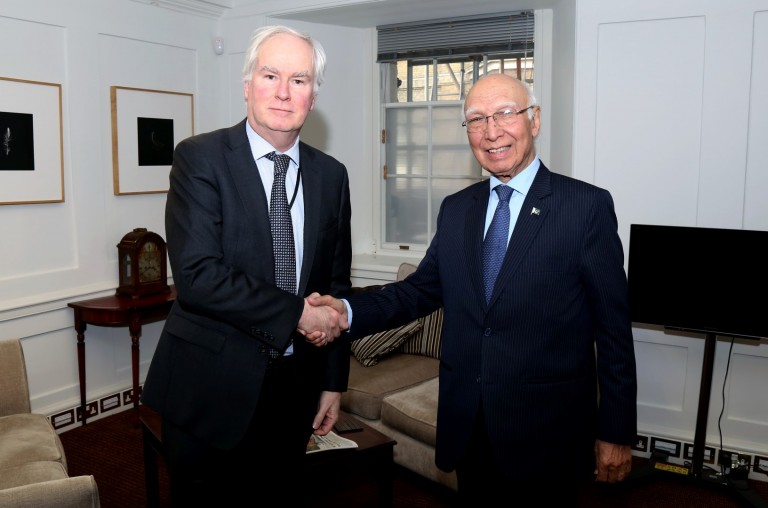
Sartaj Aziz, Adviser to the Prime Minister of Pakistan on Foreign Affairs, with Sir Ciaran Devane, Chief Executive Officer of British Council and Syed Ibne Abbas, Pakistan High Commissioner to the UK

The Adviser was on a three-day official visit to the UK to participate in the third Ministerial Review of the Pakistan-UK Enhanced Strategic Dialogue from April 18th to 20th. He also participated in the Commonwealth Ministerial Action Group (CMAG) on April 20th.

In meeting with NSA, both sides agreed to continue their cooperation in the areas of counter-terrorism, organized crime and illegal migration. The Adviser appreciated the UK’s support and assistance in countering the extremist threat. He briefed the NSA on the initiatives taken by Pakistan to improve the security situation, including the ongoing military offensive ‘Zarb-e-Azb’ and the National Action Plan (NAP).

The Adviser also highlighted Pakistan’s policy of “peaceful neighbourhood” and briefed his interlocutor on the steps taken by Pakistan to improve relations with its neighbours, including India and Afghanistan.

The NSA commended Pakistan’s efforts to curb extremism and offered UK’s continued support in timely and effective implementation of the National Action Plan. He also assured of UK’s support in capacity building of the security and law enforcement agencies, including NACTA.

The NSA lauded Pakistan’s role in seeking peace and stability in Afghanistan. On India, he added that UK was ready for its meaningful role in strengthening regional security and cooperation.

(Left to right) Syed Ibne Abbas, Pakistan High Commissioner to the UK, Naz Shah MP, Rehman Chishti MP, Adviser Sartaj Aziz, Yasmin Qureshi MP, and Lord Qurban Hussain

Sartaj Aziz also held a meeting with Sir Ciaran Devane, Chief Executive Officer of British Council. During the meeting, the two sides discussed and reviewed the whole spectrum of activities under the existing education and cultural roadmap signed in 2014, with particular focus on British Council’s work in Pakistan.

The Adviser emphasized on the need for reinvigorating the cultural and educational connections between the two countries. Both sides decided to expand British Council’s activities in Pakistan with opening libraries and cultural centres in Karachi and Lahore along with a digital library available to millions of Pakistanis.

To enhance cultural engagement, it was also agreed that a new cultural roadmap would be signed between Pakistan and the UK. The new roadmap would focus on collaboration in arts, archaeology, and research and develop partnerships to support heritage, museums and the creative industries.

In addition to the above meetings, the Adviser also attended a lunch with the British Pakistani Parliamentarians hosted by Syed Ibne Abbas, High Commissioner for Pakistan at the British Parliament.

Business Secretary holds meeting with potential buyer for Tata Steel UK

0

BY Itrat Bashir

India’s Tata Steel has caused a huge stir after announcing its decision of selling its operations in the UK and Business Secretary Sajid Javid is running from pillar to post to salvage the situation.

In his latest efforts, the British Secretary held a meeting with the Liberty House Group, an international steel and non-ferrous metals group, with a hope of saving thousands of jobs. Liberty House Group has emerged as a potential buyer of Tata’s troubled UK steel business, which is in the loss due to falling steel prices and decreasing demand in key markets.

Potential buyer, Sanjeev Gupta, Executive Chairman of Liberty House Group

Sanjeev Gupta, Executive Chairman of Liberty House Group, in his statement on Tuesday said that he had a positive meeting with the government: “The UK government appears highly supportive and is proactively engaged in finding a long-term solution. We have also actively engaged with Welsh government and again we are encouraged by their approach.

According to him, the next step is for Tata to define the formal sales process and request indications of interest from potential buyers. They await further details on this and then will assess their own next step.

He showed confidence of running such venture by saying that “Liberty has already proven its ability to build value from UK steel assets with our acquisition of our Newport Steel plant, Midlands engineering operations and most recently in Scotland where we acquired mills from TATA”.

“Everyone is very motivated to find a solution,” he added.

Finding no rest after the meeting, the Business Secretary will fly to Mumbai, India, on Tuesday for a meeting with Tata Group Chairman Cyrus Mistry, scheduled for April 6, for an update on the sale process of Tata Steel’s UK operations.

What has caused the restlessness in the government? In the recent meeting of the Tata Steel Board, it concluded that its operation in the UK was making a huge loss and it is no longer a sustainable venture. Tata Steel UK is making £1 million loss per day and hence the board has advised “the board of its European holding company (Tata Steel Europe) to explore all options for portfolio restructuring, including the potential divestment of Tata Steel UK, in whole or in parts”.

When Asian Sunday contacted the Tata Steel UK, they said they are committed to running a meaningful process to explore strategic alternatives for Tata Steel’s UK business. “This could include finding one or more buyers for our UK operations,”

To a question, Tata’s spokesperson said the sale process began on March 30th and although there is no fixed timeline, it needs to be implemented urgently to avoid a long period of uncertainty for employees and customers. “Tata Steel Europe is in the process of finalising the appointment of advisers and will soon launch a process globally of seeking an investor for the UK operations,” he added.

According to him, Tata Steel has been operating, supporting and investing as a responsible company in the UK and will TATA_STEEL-RESTRUC_2591849fexplore all credible options to find a buyer for our UK operations. At the same time, as a publicly listed company it has responsibilities to a wide range of people, including tens of thousands of employees around the world and many local communities. Despite very difficult and challenging trading conditions, Tata Steel has invested £1.5bn in its UK operations, supported the UK operations with significant working capital requirements and suffered £2 billion of impairment charges in support of its UK business thus far.

“We will continue our discussions with the government and other stakeholders as we seek its support to achieve the best possible outcome in the circumstances for the UK business and we will continue discussions with Greybull Capital in relation to the potential sale of our UK Long Products business,” he added.

The Budget: Winners and Losers

0

mr money bags business cartoon (2)Our columnist Mr Money Bags, who has decades of experience in Finance, an MBA, an advanced diploma in Financial Planning and not to mention his super business skills, is here to give you, our loves readers some valuable tips and advice on money business matters. He is forthright and can sometimes be stern when it comes to your cash, but when it comes to finance he really is the expert. Read on for your business and finance advice…

Let’s start with the key positive points of this year’s budget:

  • Tax allowance will be increased to £11,500, with the higher rate band rising to £45,000 by April 2017
  • Lifetime ISA – to use to buy your first house or save towards retirement. The maximum you can save is £4,000 of your own funds per annum
  • Business rates relief threshold increasing from £6,000 to £15,000
  • A sugar tax, the funds from which will be used to fund sports in primary schools
  • HS3 between Leeds and Manchester
  • Incentive for lower income savers to save, which will be worth up to £1,200 per person
  • Freeze on fuel and alcohol duties, whilst increasing duty on cigarettes
  • School children will experience a longer school day

Now the key negatives are:

  • Disabled individuals will be heavily hit, with circa 300,000 people set to be hit by between £3,000 -£3,600 per annum
  • More cuts across the board as the government needs to save more funds
  • A tax rise for insurance premiums

There are certain bits of the budget that I really like. As I work in finance I always am keen to see if the government is helping individuals by raising the threshold within which people pay tax. This is yet the case again, and I guess we need to thank the Liberal Democrats as well as the Conservatives for helping most of us, and taking millions of people out of paying tax.

I know some people would say it is not fair as higher rate tax threshold is increased, therefore the highest paid are benefiting, however the higher rate band has been squeezed since 2009 and it is about time people that the higher rate band is moved upwards. I say this because those on middle incomes have seen their net pay squeezed since 2009, and it is refreshing to see that the government recognise that many people earning circa £43,000 are not relatively well off.

The other big news is those of us that want to take a dabble online and make some cash. The government have given individuals a further £1,000 tax free for this purpose. I really like this idea as it might get people to think about new digital business ideas. This is especially the case since the first £1,000 is tax free.

In terms of the sugar tax, I like the fact that the government will plough the funds to aid sports for primary school children. I guess the tax will make most of us more health conscious. The tax is based on drinks, however surely it needs to extend to cakes, as well as chocolates. In my view any item with 20% plus sugar content should be taxed, and healthy foods and snacks should be reduced in prices.

The government however have left a sour taste in the mouth of many of us due to the cuts specifically aimed at those that get disabled benefits. I really feel for someone who is getting benefits due to a disability because for those genuine cases, the person is not able to work through no fault of their own. I must say Ian Duncan Smith resigning has heightened the debate, and for the right reasons. Perhaps the government should look at benefit fraud, and target fraud as a means of making cost savings, rather than hitting the most vulnerable in society.

London School of Economics Hosts Prestigious Conference on India’s Growing Global Footprint

0

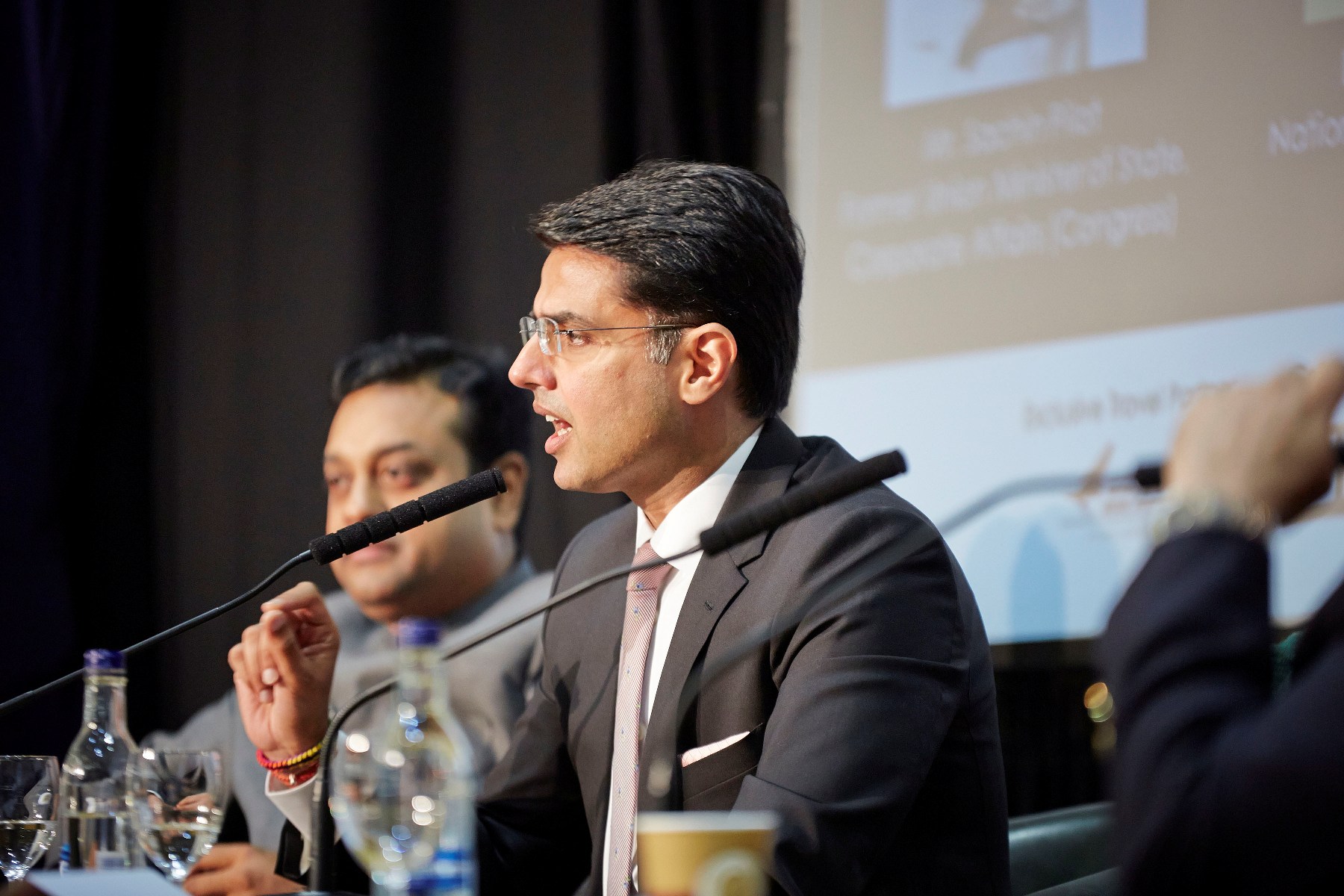
Rana Kapoor (Yes Bank), Sambit Patra (BJP), Manish Sisodia (AAP), Sachin Pilot (INC), Anupama Chopra (film critic and author) and Kabir Khan (director) amongst key speakers.

The London School of Economics and Political Science’s Student Union hosted its prestigious annual conference ‘India Forum 2016’ on Saturday 19th March at the world famous London School of Economics in London. This year’s theme was: ‘India’s Growing Global Footprint’, which shed light on the pertinent topics affecting India in relation to its place on the global stage, particularly with reference to its recent listing as ‘the world’s fastest growing economy’.

The conference saw a panel of India’s eminent business figures, political leaders and personalities from the Indian film industry, who discussed and debated keynote topics. This was then followed by a Q&A session with the audience present to stimulate dialogue.

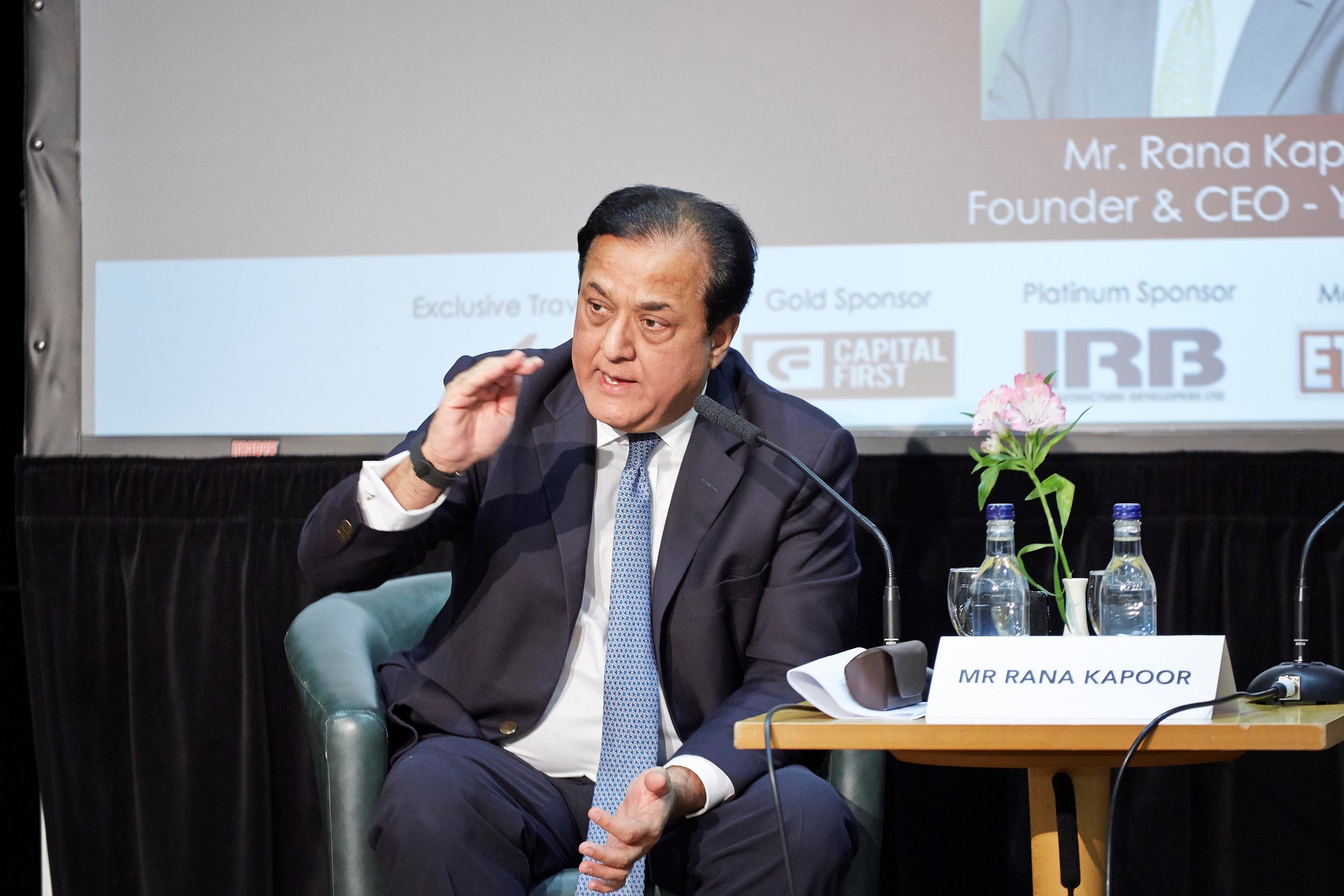
The Financial Panel was opened by Mr. Rana Kapoor, Founder & CEO of YES Bank, India’s fifth largest private-

sector bank. Speaking about India’s Resurgence as a Design, Innovation,

Mr Rana Kapoor - Founder and CEO, Yes Bank
Mr Rana Kapoor – Founder and CEO, Yes Bank

Creativity led Entrepreneurship (DICE) Economy: Budget 2016 & Beyond, Mr Kapoor said: “ India is growing its global footprint and Yes Bank is proud to be a part of this growth. There is a perceptible, renewed energy in encouraging and fostering entrepreneurship in India. I believe that a land of a million believers is a land of a million opportunities and India is at an inflexion point to transform it to a land of opportunities.” He also added: “Iconic institutions like LSE can play a strong role in creativity led entrepreneurial transformation in India.”

The Political Platform saw three political leaders from the front league parties in India. The topic of the political panel was ‘How has the Modi government fared in its two years as the ruling party?’ moderated by Mr Suhel Seth with participation from Dr Sambit Patra (BJP), Mr Sachin Pilot (Indian National Congress) and Mr Manish Sisodia (Aam Aadmi Party). The key touch points of discussion were The Goods and Services Tax Bill: Positive/Negative impacts it may have on the economy, Make in India Initiative: Has it been a success or a failure?, The Start-up India Campaign: Could it deliver on the promises made by PM Modi?,  Discussions on the announcements made in the Union Budget and Views on the JNU incident

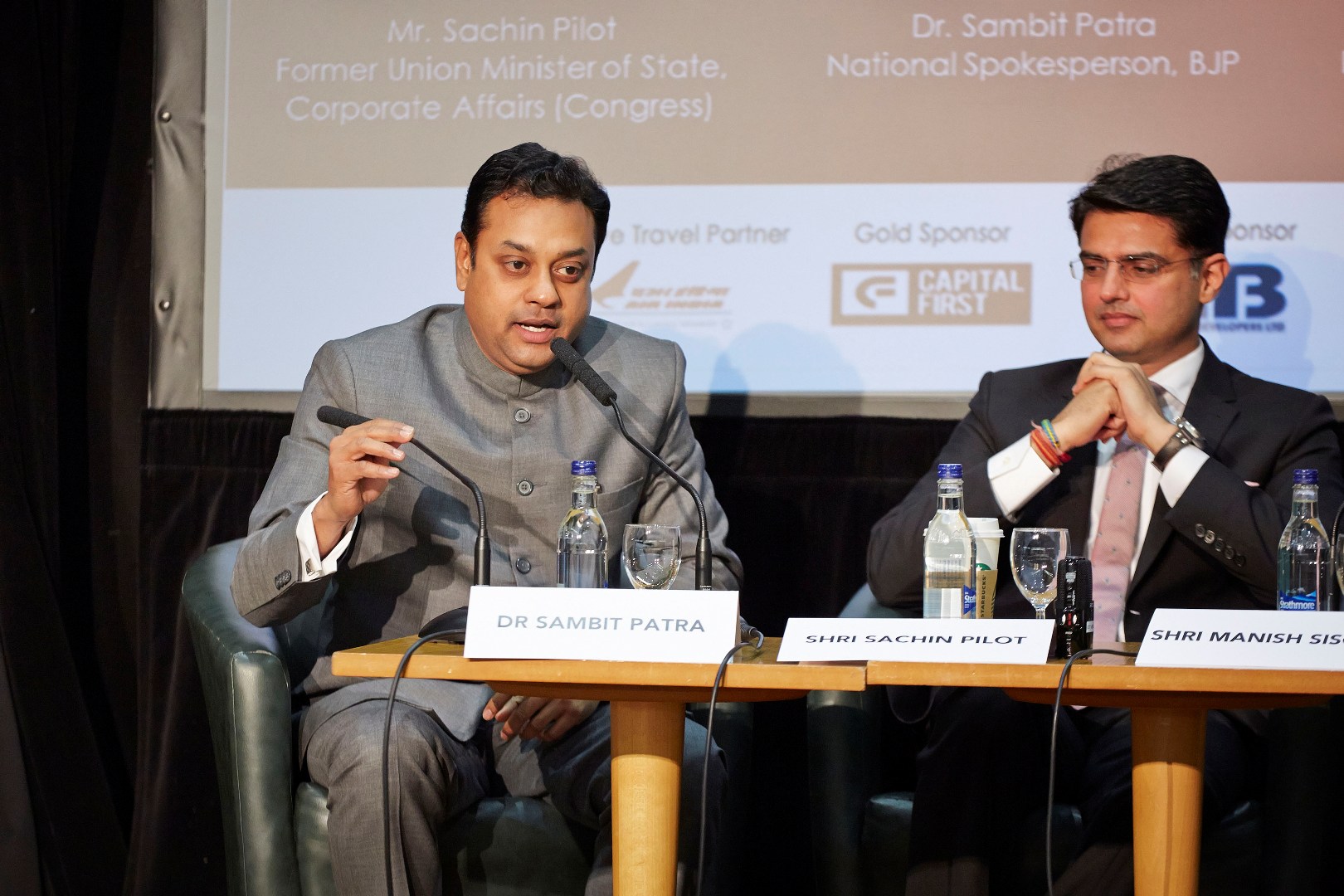
 Dr Sambit Patra, National speaker of  BJP, highlighted the achievements of the current Modi government. He

Dr. Sambit Patra and Mr Sachin Pilot

mentioned PM Modi’s Swacch Bharat, Startup India and Digital India initiatives. He also spoke about the Indian Budget 2016 emphasising that the current government’s commitment towards farmers and increasing the rural spend.

He said: “ Biggest accomplishment of PM Modi’s government: no corruption or scams at the top level bureaucracy. The BJP Government has kept up to their attitude of Na Khayenege, na khane denge (Neither will take bribe nor will let anyone take bribe).”

He also added: “The Indian Government’s focus in this budget is on farmers. We have increased their compensation. We promise that BJP will also definitely work on improvement of rural roads.”

Speaking about the JNU incident, where the students of the University were alleged for passing anti-national comments, he said: “ There have been singular incidence which should not have happened but India is not burning as projected by the opposition and the media. Singular incidences happen everywhere, but they don’t project things as if the whole country is intolerant.”

Mr Sachin Pilot, Former Union Minister of State, Corporate Affairs and Member of Indian National Congress shared his views on empowering everyone with education and also spoke about India’s strong global presence. He said: “We are focusing on IIT, IIM. They can take care of themselves. We need to focus on primary schools in India!” and added: “We have our shortcomings, but we are a nation to be reckoned with. Parties are mor

Mr Sachin Pilot - Former Union Minister of state and corporate affairs
Mr Sachin Pilot – Former Union Minister of state and corporate affairs

e important than individuals; but, the nation is far more important than any party.”

Mr Manish Sisodia ,Deputy Chief Minister of Delhi and Member of Aam Admi Party spoke of the dire need for an anti-corruption law and emphasised on bringing Lokpal bill into action. He said: “We need to have an institutionalized anti-corruption policy, which we don’t have so far.”  Underlining the importance of education Manish Sisodia said: “We should consider building of schools and classrooms as a part of infrastructure building. 25 per cent of Delhi government’s budget is for education.”

The Entertainment Panel saw Mrs Anupama Chopra and ‘Bajrangi Bhaijan’ director Kabir Khan talking about the Soft Power of Bollywood. Kabir Khan spoke about his experiences in making films politically nuanced, such as Kabul Express, New York, Phantom and most recently Bajrangi Bhaijan. He also shared details about his involvement as a documentary filmmaker and his love for making films on topics that need to be given a voice. Anupama raised an interesting point, asking Kabir’s views on how to “mainstreamise” politically-conscious films to a national India audience, to which he replied that Bollywood’s formula of incorporating songs should be used to tell the story, which is a sure way of appealing to the masses.

While speaking about gender inequality both agreed that this exists in Bollywood and that more had to be done to counter this.

Dr Virendra Paul, Deputy High Commissioner, formally brought the event to a close.

London’s Mayoral Candidates Pay Tribute to British Asian Business Community

Asian entrepreneurship and business success were honoured Friday evening at the Asian Business Awards, the annual gathering of the UK’s wealthiest and most successful Asian businessmen and women.

The gala event, attended by H.E Mr Navtej Sarna as well as both Labour and Conservative candidates for the London Mayoral Elections, saw the newly appointed Indian High Commissioner honour the outstanding business achievements across industries. The High Commissioner paid tribute to the dedication and hard work of the business community and also unveiled the Asian Rich List 2016.

In what is usually a closely fought battle for the top spot on the annual listing of the UK’s 101 richest south Asians,

Credit: Edward Lloyd/Alpha Press
Labour candidate Sadiq Khan MP Credit: Edward Lloyd/Alpha Press

the indomitable Hinduja brothers seem to have firmly knocked all their potential competitors out of the ball park, with an overall increase in their net worth of £1billion, taking them to a total net worth of £16.5 billion.

The Asian Rich List was first published by AMG in 2010 and has been a strong indicator of the success and invaluable contribution of the South Asian community to the UK economy ever since. In 2010, the total combined net worth of the 101 millionaires was £40 billion, whilst this year it sits at £55.5 billion. The entry level back in 2010 was a mere £18 million, whilst this year the lowest entries are valued at a staggering £65 million.

With the entry point for this year’s list being set at £65 million, it’s hard to expect any ‘young guns’ to earn their way on to the list. However, these entrepreneurs are nothing if not determined, and whilst the list features eight octogenarians who are still actively running their multimillion pound companies, there are two 30-somethings who have battled their way on to the list.

Shailesh Solanki, executive editor of AMG and one of a panel of four experts who has examined British Asian wealth over the last year for the Asian Rich List, said: “This year’s Asian Rich List shows the remarkable resilience of Asian businesses. Despite another challenging year, the majority of businesses on the list continue to innovate and grow and have seen increases in their overall wealth.

These dynamic entrepreneurs, many of whom came here with nothing but the clothes on their back, have built multi-million pound businesses and are an inspiration to us all.”

There can be no doubt that this is a community which has had a huge impact on the UK economy over the past fifty years, and attendance at the gala to honour these Asian entrepreneurs by country leaders, members of the cabinet and other top politicians is indicative of the both their financial and political impact. 2016 is no different – whilst 2015 saw Prime Minister David Cameron courting the great and the good, this year’s event saw London Mayoral candidates Zac Goldsmith MP and Sadiq Khan MP take part in a Q&A session for a chance to impress some of the most influential London voters.

Taking part in separate Q&A sessions at the gala awards ceremony, which was attended by a host of dignitaries and peers including: Neil Coyle MP, Lord Andrew Feldman, Rt Hon Sir Simon Hughes, Dame Asha Khemka, Seema Malhotra MP, Rt Hon Priti Patel MP and Rt Hon Keith Vaz MP, the candidates spoke of their commitment to business and the economy and paid tribute to the immense impact that the Asian community has had on the country, and London in particular.

Conservative candidate Zac Goldsmith MP said: “I want to pay tribute to the huge contribution Asian businesses and entrepreneurs have made to our country’s economic success.

It’s easy to forget, but when the Conservatives took office in 2010, we inherited the worst recession in 100 years from Labour. Thanks to the difficult decisions we took and the hard work of business owners and entrepreneurs like those here today, we now have one of the strongest economies in the world and record numbers of people in work.

As Mayor, I would stand-up for businesses and continue to work with the government to build on that success and power London forward. In Jeremy Corbyn however, Labour have the most anti-business leader in living memory which is why I believe it would be a disaster for business and our economy if we end up with a Labour Mayor of London in May.”

Sadiq Khan, Labour’s candidate for Mayor of London, said: “Asian businesses make a hugely important contribution to our city.  From small businesses to the City, the innovation, skill and resilience of the Asian business community is part of what makes London great. I’m delighted to be attending the awards tonight.”

Winners were as follows:

Healthcare Business Award supported by Bank of Baroda
WINNER: Haroon and Farouq Sheikh, Co-Founders CareTech UK

Restaurant of the Year
WINNER: Jyotin, Karam and Sunaina Sethi – JKS Restaurants

Young Entrepreneur of the Year supported by Lycamobile
WINNER: Rishika Lulla Singh, CEO Eros Digital

Regional Caterer of the Year
WINNER: Sanjay Foods

Venue of the Year
WINNER: Dallas Burston Polo Club

Entrepreneur of the Year supported by Edwardian Group London
WINNER: Mayank Patel OBE

Hotelier of the Year supported by HT & Co (Drinks) Ltd
WINNER: Shiraz Boghani, Chairman, Splendid Hospitality Group

Food & Drink Award supported by Sun Mark Limited
WINNER: Moni Varma, Chairman, Veetee Group International

Next Gen Award
WINNER: Day Lewis Next Generation

Editor’s Special Award
The Hon Angad Paul

Business Personality Award supported by Bristol Laboratories
WINNER: Salim Janmohamed, Chairman, Karali Group

Asian Business of the Year Award 
WINNER: Kuljinder Bahia, CEO, Southall Travel

80% of CBI members think being in EU is best for their business

The CBI’s Chairmen’s Committee has taken the final step in endorsing the leading business group’s mandate to make the economic case for the UK to remain in the EU. It comes after the CBI reaffirmed its member mandate following a rigorous governance process through the organisation’s “business parliament” and publication of a new member survey.

Across the UK, the CBI speaks on behalf of 190,000 businesses of all sizes and sectors. A clear majority of CBI member companies – which together employ nearly 7 million people, about one third of private sector employees – believe that it would be in the best interests of their business and the wider UK economy to remain inside the EU. This is according to an independent survey carried out by polling company ComRes.

It reveals 80% of CBI members who responded, when weighted to reflect its membership – including 71% of small and mid-sized business members – believe that the UK remaining a member of the EU would be best for their business. Overall, 5% say it is in their firms’ best interests for the UK to leave the EU, with 15% unsure.

The survey forms part of a thorough consultation process with the CBI’s governance network of three national councils (Scotland, Wales and Northern Ireland), nine regional councils, eleven standing policy and sector committees. This culminated in an endorsement from the Chairmen’s Committee – the CBI’s highest policy making body – which met on Monday. This round of 24 separate consultations has taken place over the last three weeks, with a clear majority in each meeting backing the business case to remain in the EU.

CBI London Director, Lucy Haynes, said:

“The message from our members is resounding – most want the UK to stay in the EU because it is better for their business, jobs and prosperity.

“Walking away makes little economic sense and risks throwing away the many benefits we gain from being part of the EU.

“Our members tell us that having guaranteed access to a tariff-free market of 500 million people, and to more than 30 global trade deals covering 50 countries, are significant advantages that outweigh the frustrations.

“A minority of members want to leave the EU. We will continue to respect and reflect their views and campaign for EU reform to get a better deal for all businesses.

“However, most CBI members are unconvinced that alternatives to full membership would offer the same opportunities. We have yet to see those who seek to leave the EU present a compelling vision of what this would mean for jobs and growth.

“We will not align ourselves with any campaign. Though prosperity, jobs and future living standards matter to many people, we recognise there will be other considerations.

It is not our place to tell people how to vote, but the CBI will play its role in making the economic case for remaining in the EU.”

On securing the CBI’s mandate and its role in the EU referendum, Paul Drechsler, CBI President, said:

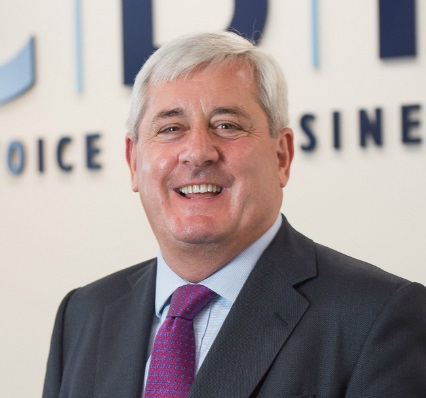
Paul Drechsler, CBI President (Image credit: CBI)

“The vast majority of our members tell us their businesses have gained from being in the EU. We have consulted every one of the CBI’s councils in the last three weeks, involving firms of all sizes and sectors across the UK. All councils agreed, many unanimously, that the CBI should make the economic case for remaining.

“The referendum is a matter for the British people and it’s clear that the public will base their decision on a range of factors. The business and economic case is only one part of the story, but it is a vital one.

Other key survey findings:

  • 77% of CBI member organisations say that remaining in the EU would be in the best interest of the wider UK economy, while 6% say that leaving the EU would be in the best interest of the UK economy
  • CBI member organisations that operate inside the EU (excluding the UK) are more likely to say that a ‘remain’ result is in their best interest than those who do not – 83% against 76%
  • CBI members based in London are the most likely of all UK regions to say that a ‘remain’ result would be in the best interest of their organisation (85%). Members in the Midlands and East of England are the least likely (75%), although a strong majority still say that remaining in the EU would be in the best interest of their organisation
  • 73% of trade association respondents think it would be in the best interest of the UK economy to remain inside the EU. 27% are unsure and 0% want the UK to leave
  • CBI member organisations that invest in (84%) and export to the EU (82%) are marginally more likely to say a ‘remain’ result would be in the best interest of their organisation than those who do not (77%)
  • In terms of sector breakdown, 77% of CBI members in the construction sector think it would be best for their organisation if the UK stayed in the EU – for production (manufacturing, utilities etc.) the figure is 78%. Other notable returns include members from the financial and insurance sectors (81%), professional scientific and technical (83%), and education (83%)
  • Comparable to the findings above, large organisations within the CBI membership are more likely than SMEs to say that in the upcoming referendum on the UK’s membership of the EU, remaining in the EU would be in the best interest of the UK economy as a whole (81% v 65%). 15% of SME members say that leaving the EU would be in the best interests of the UK economy, compared to 4% of large members.

According to Electoral Commission guidance, any organisation which spends more than £10,000 on “Referendum Expenses” during the referendum period must register with the UK Electoral Commission. The referendum period will run from 15 April until the poll closes on 23 June.

The CBI presently is not planning to register as a permitted participant with the Electoral Commission. The CBI will remain compliant whilst continuing to represent the views of its members in the referendum debate e.g. through press releases and broadcast interviews. The CBI is in touch with the Electoral Commission who have provided guidance and has taken independent legal advice to ensure our plans comply.

Expressing their support for remaining in the EU, CBI members said:

“To a truly global company like Weir, the EU delivers easy and guaranteed access to a market of over 500m people.  At the same time, we benefit from its substantial weight in trade negotiations, helping British business succeed around the world.  I fully support continued membership and would like to see the UK lead a reformed EU that seeks to deepen the single market even further.” – Keith Cochrane, CEO, The Weir Group PLC – an engineering business headquartered in Glasgow

“The message from UK Automotive is clear – being in Europe is vital to the future of our industry to secure jobs, investment and growth. An independent survey of our members – large and small – confirmed the overwhelming view that remaining in Europe is best for their business, giving access to the single market, its skilled workforce and the ability to influence regulations. The sector is thriving, with record exports and new vehicle registrations and the highest manufacturing levels for a decade. Our members are clear that leaving Europe could jeopardise this success.” – Mike Hawes, Chief Executive, SMMT – Trade Association for the UK’s automotive industry

“As a growing SME based in Newcastle, the logical first step out of Britain was into Europe for two reasons – firstly, we had a really strong niche in the pharmaceutical space, and secondly many of our clients have European interests. Creative and digital service industries like ours don’t export in the traditional way that goods companies do – but we benefit just as much from EU membership and could be impacted badly by exit.” – Raman Sehgal, Managing Director, ramarketing PR – a small, fast-growing marketing and PR agency based in Newcastle

National Living Wage – Can small businesses afford it?

The National Living Wage will be £7.20 an hour from April for workers aged 25 and over, rising to £9 by 2020. The minimum wage will continue to function as before for those under 25.

Workers aged between 18 and 20 are currently entitled to at least £5.30 per hour while 16 and 17-year-olds have a minimum wage of £3.87 an hour.

Apprentices aged 16 to 18 and those in the first year of their apprenticeships have a minimum wage of £3.30 an hour.

BY Itrat Bashir and Raheema Khan

From April 2016, the rate of national living wage per hour will increase from £6.70 to £7.20 for workers aged 25 and older. While many households will be pleased with the news small businesses feel threatened by the news and many
say they simply won’t be able to afford the increase.

In order to survive according to a survey done by think-tank the Resolution Foundation and the CIPD nearly a fifth of companies say that they’re going to have to put prices up when the new national living wage, comes into force according to a major new study.

The survey, which was conducted late last year, asked more than 1,000 employers how they would cope with the new wage, which will legally require companies to pay all employees over 25 at least £7.20 per hour.

It showed that when asked about how they would cope with the likely increases in their wage bills, 15 per cent of companies said that they would put prices up; a further 15 per cent said they’d be forced to make redundancies, or slow recruitment; and 16 per cent said they’d trip bonuses and overtime given to staff.

22 per cent of respondents said they’d just have to accept lower profits, and most popular way of coping with the national living wage was to try and increase productivity. 30 per cent of employers said they will do this come April. Of the companies surveyed, 54 per cent said that the Chancellor’s new living wage would increase their total wage bill, with the worst affected industries being retail and hospitality, where 79 per cent and 77 per cent of companies said that wages would have to go up overall.

Numerous companies have already complained that changes to the minimum employers can pay their staff will hurt their ability to make money.

John Allan, National Chairman of the federation of small businesses told Asian Sunday, “Over half of our members already pay their staff above the voluntary Living Wage, but those that don’t are often operating in highly competitive sectors with very tight margins. In many of these industries, the only sustainable way to deliver real long term wage growth is to improve productivity. Without improved productivity there is a real risk that higher enforced statutory wages will lead to fewer jobs being created, fewer hours for existing staff and, unfortunately in some cases, to job losses.”

“When businesses that said they will be negatively impacted were asked how they will adapt to the new National Living Wage when it comes in, just over half (52 per cent) said they would put off hiring new staff while 50 per cent said they will raise their prices.

“Other steps businesses plan to take to manage the higher wage level include: cutting staff hours (41 per cent), reducing staff numbers (31 per cent), cancelling or postponing planned investments (29 per cent) and eroding pay differentials by freezing or cutting the wages of higher paid staff (26 per cent). Almost a third of businesses owners expected to absorb the cost through reduced profits (29 per cent).

“With the economy recovering it is right that employees should be rewarded with a pay rise – but we cannot allow wages to become a political football. It’s important that the independent Low Pay Commission continues to play a central role in setting the minimum wage – and that includes deviating from the Government’s plan to raise the National Living Wage to over £9 an hour by 2020, if it becomes apparent that the economy cannot afford it.”

Our business reporter Itrat Bashir spoke to small Asian businesses and found out what they had to say:

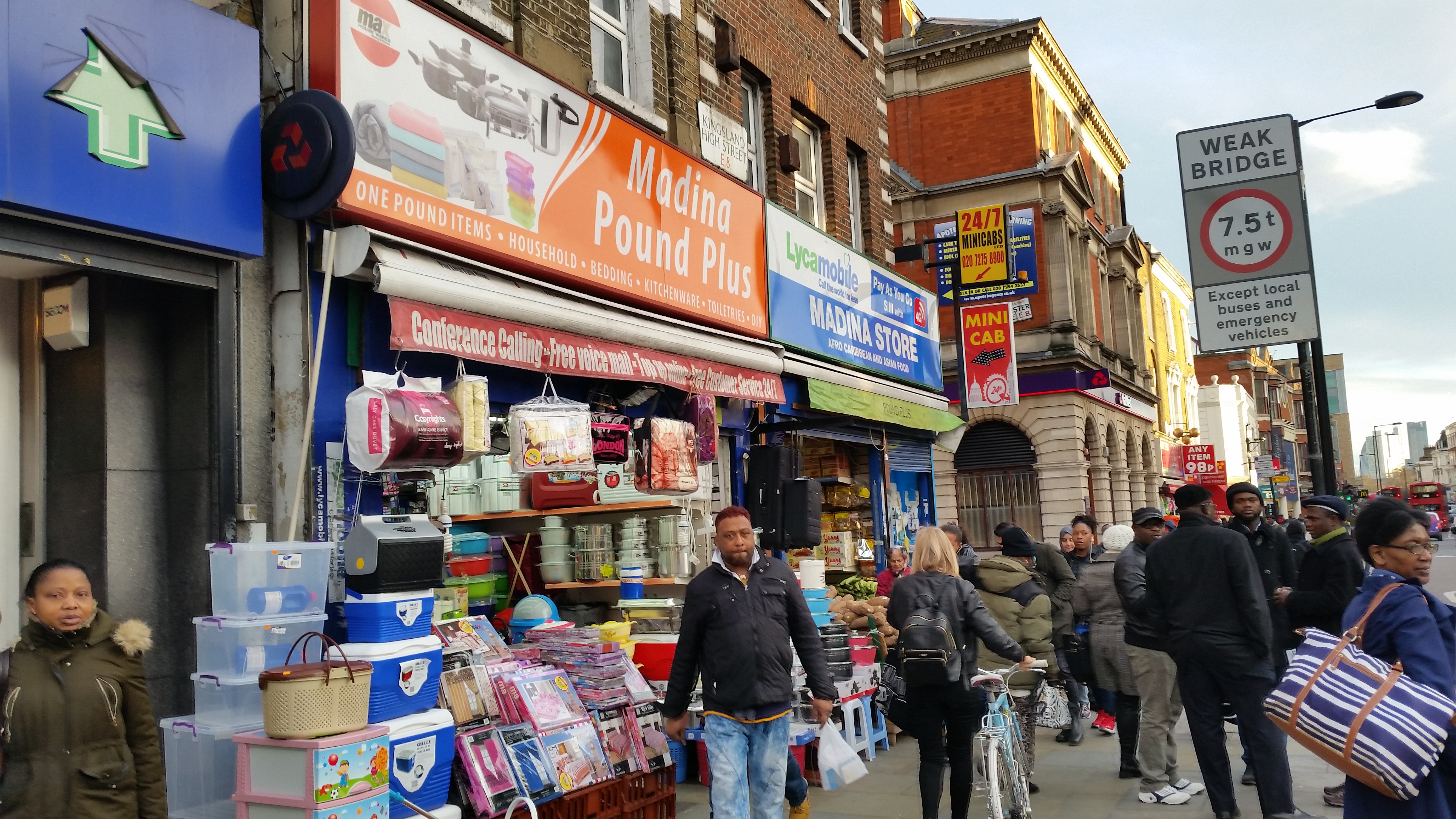
vox pop 4Sohail Muhammad who owns a pound shop in Dalston Kingsland, London said:

“A raise of 50 pence in the national living wage is a big increase and definitely it will have a negative impact on my business. These days, sales are slow. With the depreciation of the pound, imported goods have become more costly. It goes without saying I will apply the new national living wage rate, but to compensate the rise in cost of doing business, I will have to reduce the hours of my staff.

“I believe an increase of 30 pence would have been a decent and acceptable increase.”

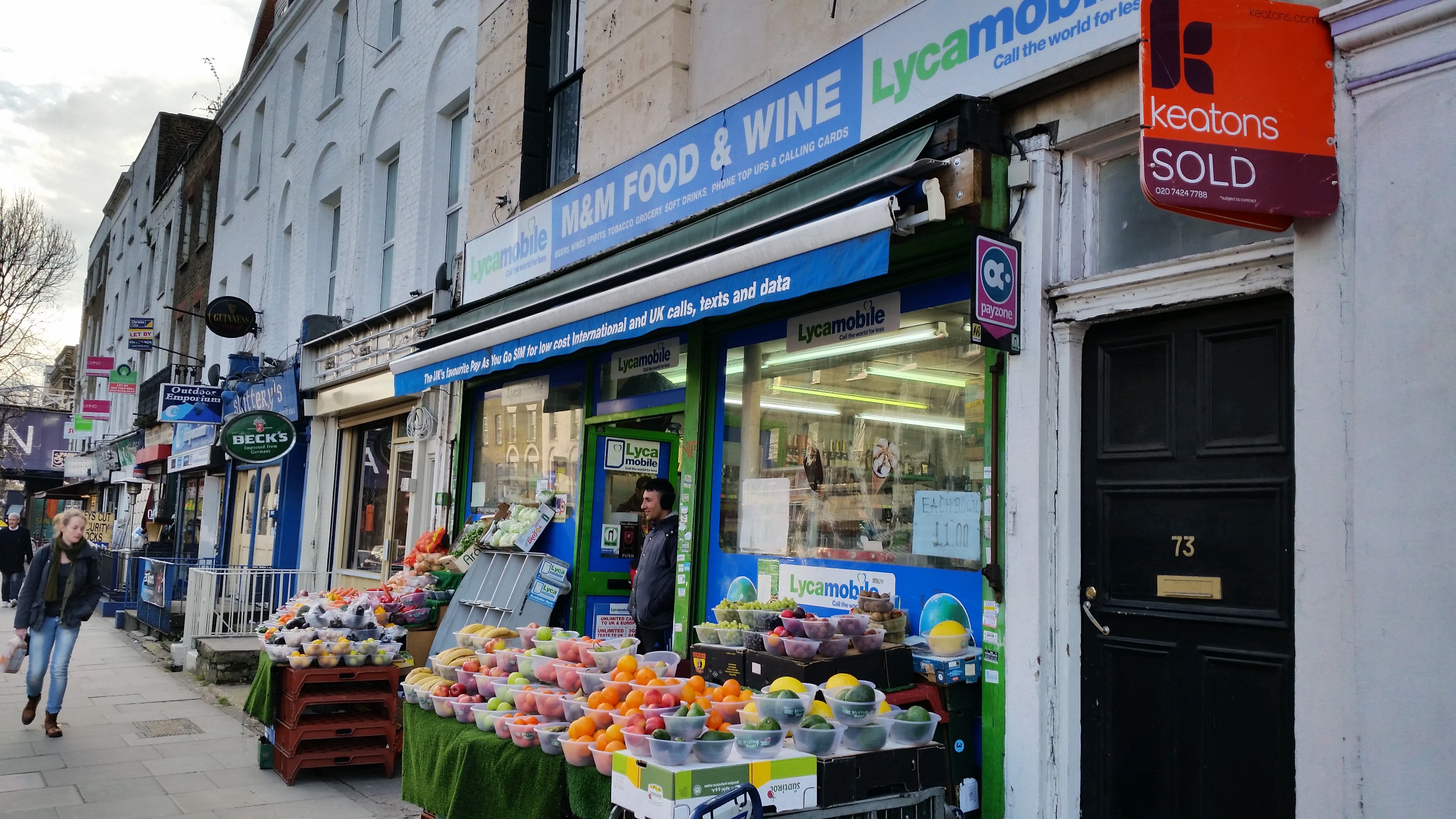
Tarluk Kapoor, owner of a food and wine store in Camden Town, London seemed to agree with Mr Muhammad, he said:Vox pop image

“The increase in the national living wage will definitely cause problems for me and other small retailers. Profit margins are already low these days due to tough competition from high street stores that are open late in the night, and high business cost and tax rates. The raise of 50 pence will further shrink our profits.”

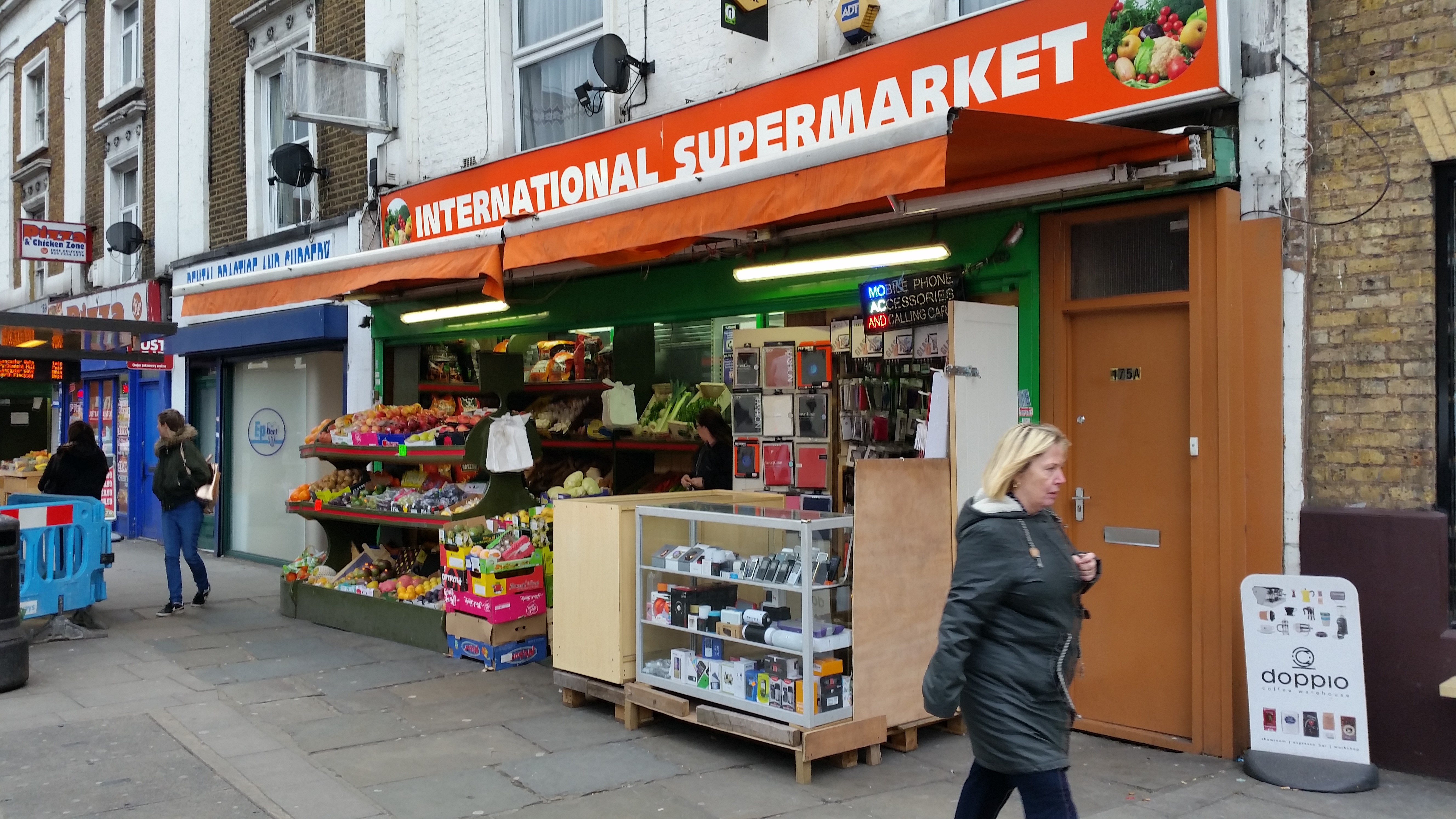
Abdul Ghafor, Owner of a grocery store, International Supermarket, at Kentish Town, London

vox pop 3“The raise in the national living wage is unjustified under the prevailing business environment; the business is already slow these days. We are overburdened with high rates of taxes and duties and now we have to cope with new national minimum wage rate.

“A 50 pence increase is not viable for us and we will be forced to run my shop without a staff. Big stores on the high streets have the capacity to apply the new rates, but small retailers like me will not be in a position to do so. Overwhelmingly, small retail businesses are owned by the Asians and thus they will be the hardest hit by the raise.”

Azmat Rafique, however who owns a fast food outlet in Kentish Town London, disagrees. He told Asian Sunday:

vox pop 2“I do not believe that the increase in the national living wage rate will have an impact on small businesses like ours. I am already paying well above the forthcoming minimum rate; on average a staff in the fast food outlets is earning minimum £7.50 per hour. Thus, there will be no impact on my business. It is hard to find staff for our business these days and hence we have to offer better salaries to attract people.”

Amir Zaka, however an Accountant in Hackney, London agreed with Mr Muhammed in that the increase should have been no more than 30p. He said:vox pop 1

“The impact is inevitable; a 70 pence raise in the rate of national living wage is huge for small businesses. Hiring of staff will become more expensive for small business owners who are already working on small profits. This will definitely escalate in cost of doing business. To absorb the impact, the small business owners will have to either slash staff or reduce their hours. I think an increase of 30 pence is more manageable.


In the northern part of England many business owners were reluctant to comment due to the difficult task of wanting to offer their staff a better living wage, but at the same time not putting pressure on their own business on the affordability of the additional business expenditure.

Mr Saleem Kader, MD of Asian retailer Bombay Stores, Bradford who employ 70 people shared the view that although he is sympathetic to the government’s position and doesn’t disagree that people deserve a pay increase overall, he believes the economy is not stable enough to have this much of an increase at once and that the planned increases to £9 an hour will be too much and have a large impact on small businesses. He explained:

“Unless the government has a way of compensating businesses in the long term, the increase will definitely affect and cause damage to small businesses

“Although I understand what the government is trying to do, personally I think it is too much too quickly. The increase to £9 will have a large impact on small businesses.

“Paying an experienced person the increased wage is fine, and many of our staff do earn that, but paying it to new and untrained people will be difficult.

Are you a business owner and want to share your views on the government’s new national living wage which will be implemented from April? Drop us a line newsdesk@asiansunday.co.uk or tweet us your thoughts to @AsianSundayNews

 

Confederation of British Industry insist next Mayor of London commits to building 50,000 homes per year

Mayor must also press Government to build new runway in South East

London’s firms want the capital’s next Mayor to keep a relentless focus on business growth, to keep the city an attractive hub for investment, creativity, skills and tourism. That’s according to the CBI’s London Manifesto aimed at all mayoral candidates.

‘A London Prosperity Agenda’ sets out the UK’s largest business group’s priorities for the new Mayor on housing and transport infrastructure, the planning system, digital & technology skills, trade, tourism and financial services. Key action points include:

  • A new housing strategy within 100 days of taking office, which commits to building 50,000 homes a year
  • Press the Government to deliver the Airports Commission’s recommendation to build a new runway in the South East, and deliver Transport for London’s business plan, including Crossrail 2
  • Continue to implement the existing 2050 London Infrastructure Plan, and give a stronger voice to businesses on the London Enterprise Partnership (LEP)
  • Develop London’s ‘Knowledge Quarter’, and support London’s Digital Talent Taskforce to help address future digital skills needs
  • Provide certainty and consistency in UK tax policy to attract financial firms, and call for the Chancellor of the Exchequer to end the Bank Corporation Tax Surcharge by the end of the Parliament, once the Budget is balanced.

Lucy Haynes, CBI London Director, said:

“London’s star has continued to rise over the past few years. From setting a new standard for hosting the Olympic CBI logoGames to the emergence of Tech City, the capital has shown the world it is still the best place to grow, do business and thrive.

“But in an increasingly competitive global race, the next Mayor must take some tough decisions from day one for London to continue to grow and prosper, and to keep the city a magnet for investment and skills.

“From building the 50,000 homes a year the capital needs to house its talented workers, and a new runway that will boost our exports to high growth markets, to making the city a global beacon for digital and technological skills, London’s next leader has a unique opportunity to plan ahead, and position the city at the head of the pack.”

The CBI will co-host a Business Hustings with the Institute of Directors, London Chamber of Commerce and Industry, the Federation of Small Businesses and London First for the four main Mayoral candidates – Zac Goldsmith MP (Conservative), Rt. Hon. Sadiq Khan MP (Labour), Caroline Pidgeon MBE (Liberal Democrat) and Dee Searle representing Siân Berry (Green) – on 10th March.

The CBI’s seven areas of priority for the next Mayor are:

Housing

London has the fifth highest cost of living compared to other leading global cities, with high housing costs and lack of supply impacting firms’ ability to recruit and retain employees.

Businesses want the next Mayor to:

  • Work with the London Land Commission to incentivise local authorities to unlock public sector land and brownfield sites
  • Support the ‘Build to Rent’ scheme, improving the quality and quantity of private rental housing.

Transport

The capital’s infrastructure currently ranks 24th compared with its international peers, and 70% of firms believe the increased strain placed upon it will negatively affect them.

Businesses want the next Mayor to:

  • Approve the London City Airport Development Programme
  • Explore innovative finance options for London’s new roads, including user charges
  • Promote the River Thames for moving goods and materials, to diversify the city’s transport options.

Planning system

£1.3 trillion worth of investment is required in London’s energy, water, transport and digital infrastructure by 2050.

Businesses want the next Mayor to:

  • Explore how an increase in planning application fees could lead to swift decisions from planning authorities
  • Develop a circular economy strategy and the widespread recycling of materials, which could see London become a zero-waste city, creating 40,000 jobs by 2036.

Skills

Skills must be aligned with the needs of the capital’s economy, but a lack of skilled staff is one of the top three concerns for London’s businesses.

Businesses want the next Mayor to:

  • Urge the Government to raise the Tier 2 immigration cap
  • Extend science, technology, engineering and maths education to primary schools, to lay the best foundations for a home grown, skilled workforce.

Digital and technology

London ranks as the sixth most supportive environment in the world for tech start-up businesses, yet the UK has seen flat growth in life sciences research & development funding over the last few years.

Businesses want the next Mayor to:

  • Support the growth of new business clusters so London can be a world leader in areas such as financial and wearable technology
  • Encourage greater sharing of flexible creative office spaces, the lack of which hinders growth in the tech sector.

Trade

London’s exports are currently worth £140 billion to the capital’s economy, and more than 40% of London-based SMEs aim to trade internationally.

Businesses want the next Mayor to:

  • Be a strong international ambassador for all of London’s sectors
  • Champion continued investment in the capital’s shopping and entertainment districts.

Financial services

The City is the world’s most international financial centre, and London makes up over half of all the UK’s services exports. But the gap is narrowing between the capital’s unique position, Hong Kong and Singapore.

Businesses want the next Mayor to:

  • Act as an advocate to ensure the conditions are right for London to continue to be a global financial and professional services hub.

The Positives and Negatives of a ‘Brexit’

0

mr money bags business cartoon (2)Our columnist Mr Money Bags, who has decades of experience in Finance, an MBA, an advanced diploma in Financial Planning and not to mention his super business skills, is here to give you, our loves readers some valuable tips and advice on money business matters. He is forthright and can sometimes be stern when it comes to your cash, but when it comes to finance he really is the expert. Read on for your business and finance advice…

“Our destiny is in Europe”, however “that is not to say that our future lies only in Europe.” These are the cautionary words of Margaret Thatcher in one of her most famous speeches. Is our destiny really solely Europe, or is it time to listen to the late lady and consider if our future no longer lies in remaining a member of the EU?

Come 6 months time, 23rd of June we will all be voting on whether the UK should remain in or leave EU. Do you know which way you are voting, or are you unsure just like many other people out there? Perhaps the greatest uncertainty is that no nation has ever left before. Greece came very close, but in the end remained within the EU.

So, what are the advantages of the EU? Well the ‘stay’ campaigners highlight our EU trade agreements, which they say outweighs the billions the UK pays for EU membership. The consensus is that by staying within the EU, the UK will have further investment opportunities, and London will remain the world’s biggest financial hub.

Also an important point highlighted by these campaigners is the position of the EU as our saviour for UK jobs, with quoted figures suggesting that the EU supports circa 3 million jobs in the UK. The Pro-EU tram also believes that the UK will be prone to terrorism and isolated without the EU.

In contrast, those favouring a ‘Brexit’ believe if the UK leaves the EU, then we can make our own, new trade agreements with countries around the world. We will also save on membership fees, and overall investment will remain as it is. Barclays has recently said that an exit would hit the EU more than the UK, as an exit by one of its most powerful economies would hit finances hard, and boost anti-EU movements in other countries.

In terms of jobs, by restricting free movement of people, would leaving the EU stop British people working in the EU or EU citizens working in the UK? I do not think so, as many people currently work in non EU countries; all that may be additionally required is a visa. I agree that by leaving we might have more control on our borders, but I disagree that by leaving we may have fewer issues linked to terrorism.

I am not sure about you, but I would rather we have a table discussion of the pros and cons of each decision, and then make an informed decision. The banter that we hear in the press surely makes it more confusing for voters, and I dislike the scare mongering that is going on from supporters on both sides.

Surely, the best way for voters to make a decision is by actually having sensible TV debates. I say sensible – but more to the point, I hope that we can make an informed decision as voters, and vote with a thorough understanding of what would happen if we stay and what would happen if we leave. No doubt over the next few months the Brexit is going to be a major issue, which we as citizens of Britain need to understand, take seriously and vote based on our individual understanding.

BUSINESS: Help to Buy ISA’s

0

By Columnist Mr Money  Bags

mr money bags business cartoon (2)I thought it may be worthwhile telling our readers about a new government incentive relating to the government helping people that want to get onto the property ladder. The government have introduced new ISA’s, where the government will pay a contribution if someone pays into the ISA.

The new accounts will be available to save for four years. A person can put £1, 000 initial deposit, and then monthly contributions of £200 per month. The government will top this up by £250 initially, and a further £50 per month on a monthly basis; therefore in total £12, 000 contributions made by a person equals to £15, 000 after a period of four years. A husband and wife can save £12, 000 each; therefore £24, 000 between them which equals £30, 000.

I like the incentive because it means anyone over the age of 16 who intends to buys a house can now save funds, and because they are saving the government is finally recognising the effort made by first time buyers to buy their first house, and is rewarding them.

Home insurance concept.

So how does it work? Well as soon as you have a house in mind, you can cash in the ISA. The bank/building society where you saved will give you proof of your savings, and the solicitor that will deal with your house completion will be able to apply for the enhanced monies on your behalf from the government.

In the event that the house sale does not go through, you can simply return the funds to the bank/building society within a set period of time. This is usually within a year, however if you do not return the funds within one year, then you will lose the government enhancement, and will only get your money back.

I also like the fact the government has capped the bonus for properties purchased at £250, 000 outside London, and £450, 000 within London. I like this because it means those people that can afford to buy beyond this limit do not benefit, but instead this incentive is for people that are on a relatively reasonable salary, and are genuinely trying to save for a house.

So will it work, or is it just one of those government incentives? I think it will work because from the age of 16 onwards anyone can open the account, and other people such as parents can contribute into the ISA; therefore it is a good savings plan. It is a bit like a pension so those that save will be rewarded, and those that do not do so will not. I know which one I want to be, if I was buying my first house again. Let’s face it an extra £6, 000 for a couple means that money can be used for other things such as fees, furnishing etc.