


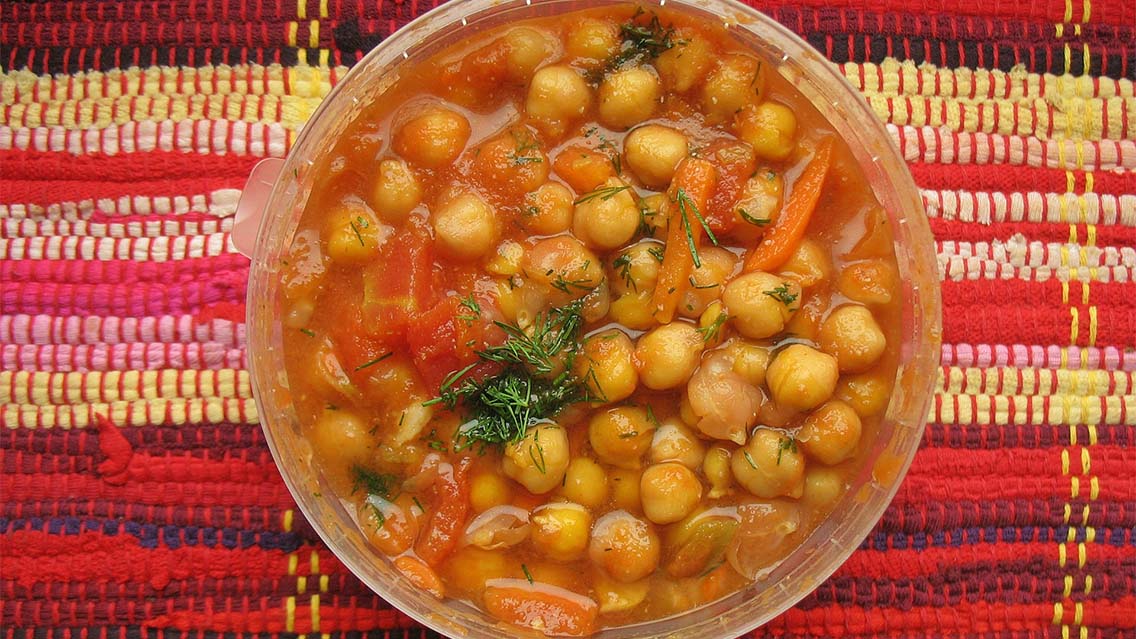
Weather and war are to blame for the latest shortage of the protein-packed bean, as chickpeas drive up food prices and create headaches for food manufacturers.
Global supplies of chickpeas, the main ingredient in hummus, could dip as much as 20% this year, making it harder to source in supermarkets, according to data from the Global Pulse Confederation.
As hummus prices have increased 6.9% since 2019, farmers in the United States, which is the fourth largest chickpea exporter, planted nearly 5% fewer acres of chickpeas this year due to bad weather, the US Department of Agriculture reported.
Regarded as a food staple in many South Asian households, the global shortage of the potent protein part of the Fabaceae family, is sourced and grown in more than 50 countries, although India produces the most chickpeas worldwide.
An excellent source of carbohydrates, protein, fibre, B vitamins, and some minerals, they are a nutritious staple of many diets, they can be made into hummus, flour, soups, stews and curries.
While they are growing in popularity in the United States, they have long been key to the diets of people in India and the Middle East, places that are already struggling to cover the rising costs of food imports.
As the war between Russia and Ukraine, both producers of chickpeas exacerbate disruptions to global supply chains, top buyers from South Asia and the Mediterranean are trying to scoop up dwindling U.S. stocks as supplies shrink worldwide.
Jeff Van Pevenage. Chief Executive Officer at Columbia Grain International has said:
“When the Russia-Ukraine war broke out, the demand boomed. We saw strong demand from China, then it was calls from customers in Pakistan and Bangladesh.”
Navneet Singh Chhabra, director of Shree Sheela International, a global chickpea trader and brokerage firm, revealed that Ukraine could not seed its total chickpea crop due to the war, which meant 50,000 tonnes meant for Europe were lost.
Sanctions aimed at cutting Russia’s access to the global financial system have also hampered purchases of its agricultural products, he said, as some buyers seek to avoid complications with payment.
Mr Chhabra added that Russia normally accounts for about 25 per cent of global trade.
“Russia is exporting around 200,000 to 250,000 tonnes, minimum, per year,” he said. “When the war started in February, the supply was destroyed, totally.”
Winding its way between Whitechapel and Shoreditch, Brick Lane is one of East London’s best-known spots, buzzing markets and, of course, the famous curry houses.
The main attraction for Indian and Middle Eastern customers, is the international supermarket, Taj Food Stores, which was established in 1936, and was the first Asian store in the whole of the UK and stands to be London’s longest-running Asian greengrocer.
Marking this year 85 years since the store opened first on Hunton Street, and later moved to Brick Lane in the 1980s, Taj Food Stores, a Bangladeshi-owned family-run business, is now run by the third generation.
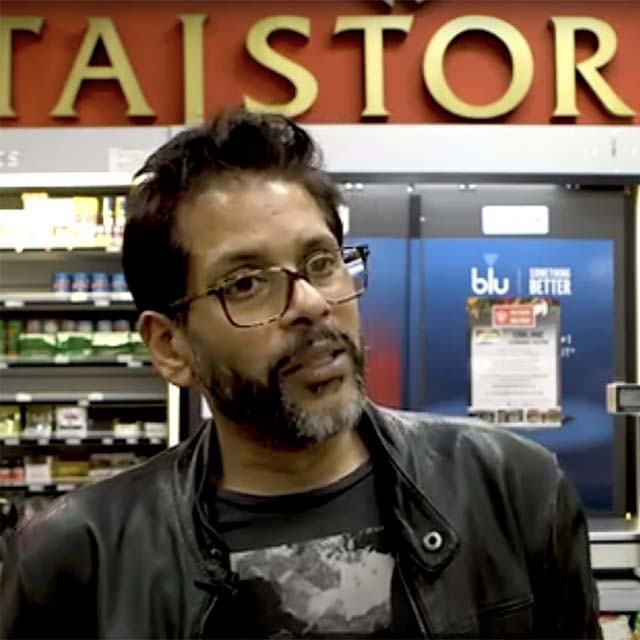
One of the CEOs of Taj Group of Companies Food Stores, Jamal Khalique, spoke to Asian Sunday about how his family business has been impacted:
“Chickpeas are used not just by Asians, but also the middle eastern population here, and due to the shortage, we have had to increase the price, so it has affected us.

“I’m sure a lot of businesses will be affected, and the prices will definitely go up, we all know pani puri is a cheap and cheerful snack, with the chickpea shortage people that make them will be putting their prices up to sell it,” says the CEO of the store.
Khalique also added “Like with everything the prices have gone up, it has affected generally everyone, and this is just like the icing on the cake.
There were particular brands that we were dealing with before, like TRS and Natco and now we are dealing with any company just to source them here, and they mainly come from Turkey.
Taj Stores supplies many of Brick Lane’s Bangladeshi-owned cafés and restaurants with food products, and chickpeas are among one of the popular products they distribute.
“We also distribute to some Michelin star restaurants and hotels, like Dishoom, who do pani puri, samosa chaat and other Asian snacks, so this chickpea shortage is quite relevant for them, and they will probably end up increasing their prices too”.
Spinning a positive outlook on the shortage of chickpeas crisis, Sobia Bashir, author and cook expresses how the shortage of chickpeas may induce panic buying:
“Announcements like this in the past have led to panic buying, I still can’t understand why, if everyone just bought what they needed or wanted when they needed and wanted it, we wouldn’t feel the ‘shortage’ at all.
“We have been faced with ‘food shortages’ over the course of the last couple of years ranging from wheat to rice, to oil. I think what we view as food shortages are not actually food shortages,” she revealed in an interview with Asian Sunday.
The food author also said “We’ve been spoiled for years with a massive selection and variety of foods at our fingertips, and we’ve grown accustomed to that. If we have to face a period of time where we can’t always get our hands on our favourite brand of hummus or chickpeas, it’s not the end of the world. There are so many alternatives out there that we can use instead, and we should”.