



Historically, women have long fought for the right to work and have equal opportunities in the workplace.
It has been over 50 years since the bill for the Equal Pay Act 1970 was passed, and the UK has seen an almost continual rise in the proportion of women in work, with roughly a 20% increase, from 1971 to 2021 of women aged 16 to 64 in work.
However, traditionally South Asian women, were part of patriarchal societies, where men were the breadwinners and women were expected to stay home and be the primary caregiver of their children.
As times have changed, from the early ’60s and ’70s, self-made entrepreneurs, like Harpreet Kaur being the first British South Asian to win The Apprentice and Nadiya Hussain winning the Great British Bake Off in 2015, are showing that traditional careers aren’t always the way to success.
An inspirational story based on real-life events is explored through Bollywood cinema with the story of ‘Gunjan Saxena’, which depicts the life of a 1999 Kargil War veteran, who joined the Indian Air Force, being told “women should not be in the cockpit, but in the kitchen”, she became one of the first women to fly in a combat zone as a helicopter pilot.
South Asian women talk to Asian Sunday about leaving their corporate careers and finding work outside of the traditional and mundane 9-5 jobs, that only suffices to offer financial stability.
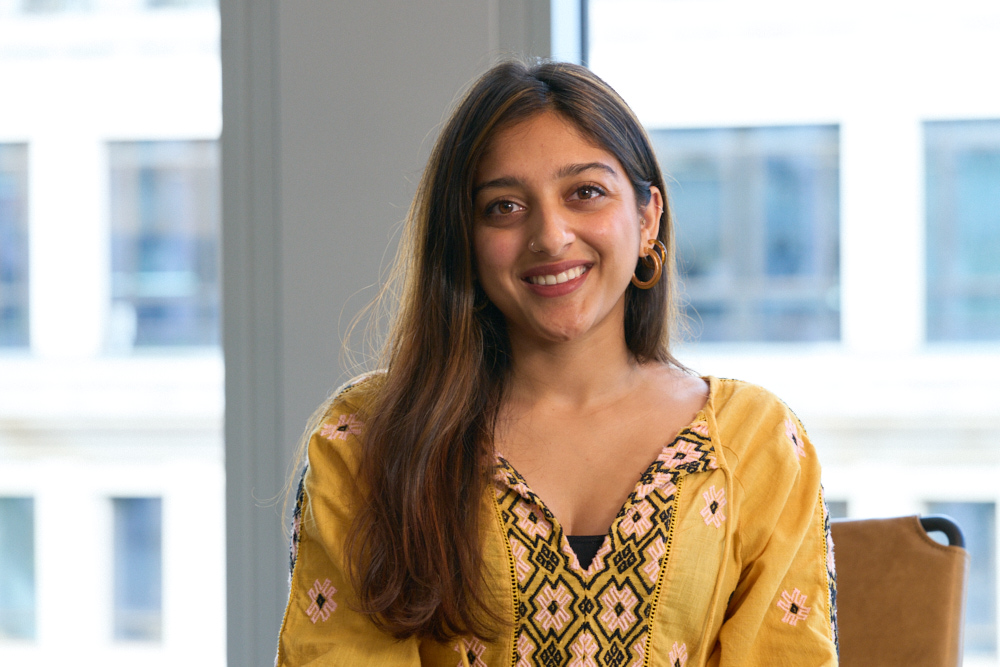
Pakistani British, Award-winning entrepreneur, author and BBC Asian Network radio host, Sonya Barlow talks about having to learn to thrive, as a brown woman and letting go of the stereotypes, ideas and baggage hindering her growth after she left the corporate world and went into business.
“Traditionally speaking, South Asian women are not encouraged to be loud, ambitious, or different. Instead, we are told about marriage, kids and family and the family’s expectations in terms of career paths.
“So, that was the first challenge. Having discussions with my family and partner that I was going to continue being a businesswoman whether I married and/or had children” says the founder of Like-Minded Females Network.
“There have been times I have pretended to be someone else on emails before I had a team, a white man, to ensure I get the gig or look bigger than I am because that is a better story to sell. At the start of my business, I had to get over my own fears and biases that I brought with me, but that’s 29 years of unlearning”.
A London-based award-winning producer of authentic Indian food ‘Mandira’s Kitchen’ also talks to Asian Sunday, about breaking away from cultural stereotypes in careers.
In 2016, after two successful and impromptu supper clubs in her front room, Mandira Sarkar began producing a range of dishes, as freezer meals which were stocked initially in 6 local farm shops from across India based out of a 400-year-old cowshed, overlooking the magical Silent Pool in the Surrey Hills.
Mandira, the founder of the business, who is a professionally qualified management Consultant with an MBA and says her parents were “quite horrified” that she decided to quit this “proper career” to set up a food business.
“After all cooking is not considered to be a career it is something you get cooks to do for you, or it is a hobby or to feed your family, it is not a career”.
Having moved to the UK as a professional career person, like a lot of similar high achieving Asians, Mandira, did go down the 9-5 professional route in management consultancy, however, she decided to give it all up and follow her passion.
Their all-woman team creates freezer meals, chutneys, and ice creams and as well as provides cookery lessons and bespoke catering.
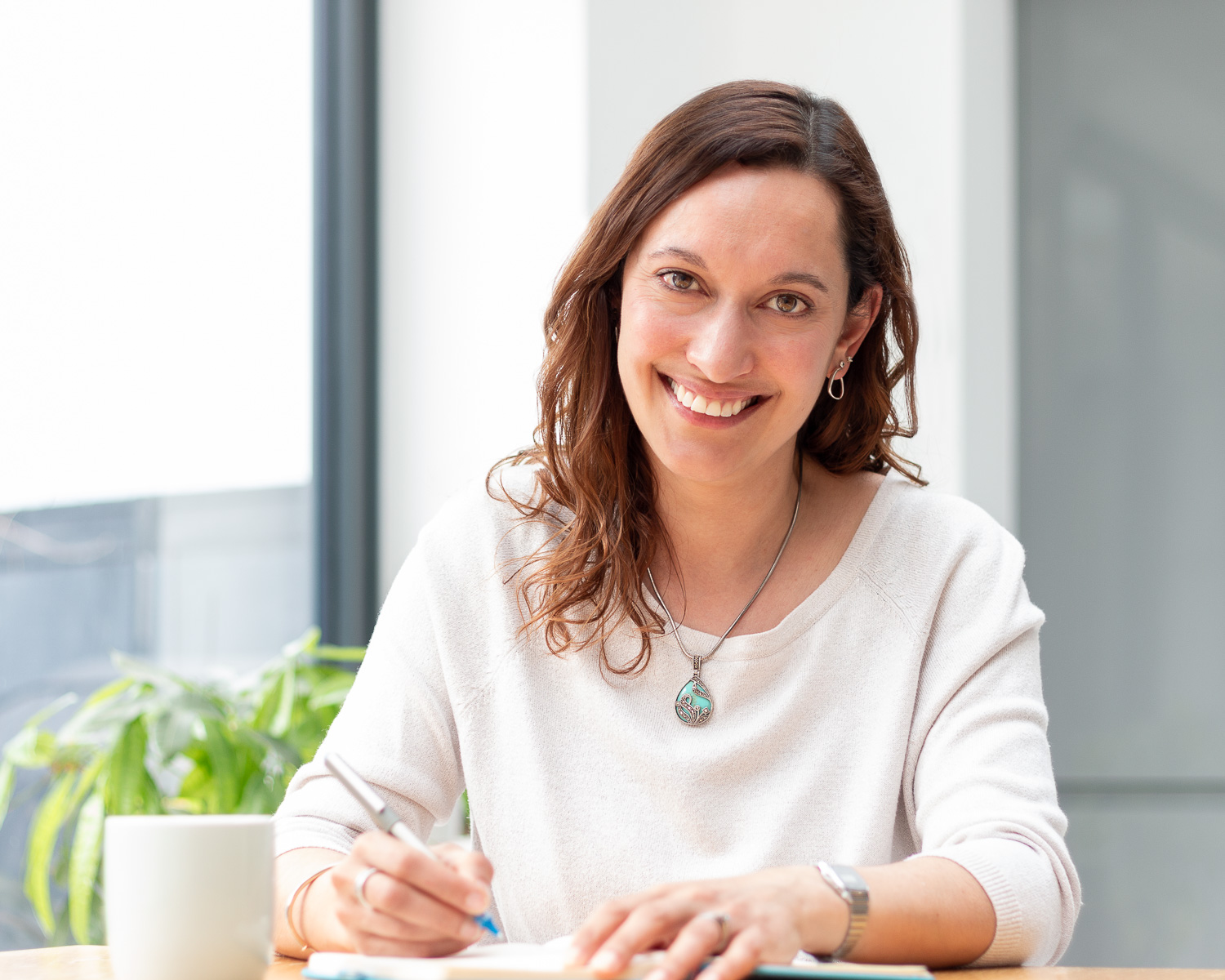
Ayesha Murray an accredited Career Coach for Working Parents and host of The Parent Equation Podcast, says “Now you’re almost expected to have a career, bring in an income, look after the kids, and sort out the family.
“I did start down the very traditional route, I got my A-Levels, went to University, I left University and got a “normal” office job, which was expected of me by society, that, that was the route I would take, which is what I did for 23 years,” says the half British and half Indian entrepreneur.
“I had a very stable foundation of over 20 years in a corporate career, I took everything I learnt from the corporate career, and I made it work for my own business, which is what I do now”.
The mum of two also says “Mom guilt is one of the main reasons why I changed my career, I felt guilty that I was either at work all day or putting my kids into after school club or breakfast club, guilty then that even when I came home, I would be tired, fed up and snappy by the end of the working day, and not being able to give them the quality time that they deserved.
“I think the catalyst was having children, and in the digital world we’re now living in, the opportunities are immense, compared to what I had growing up. I realised that pursuing a career, that on paper is the right thing to do, wasn’t giving me any joy whatsoever and it was ticking a box rather than thinking what it is I wanted to do”.
As working from home has become the new norm, blurred boundaries with the absence of the physical act of commuting to work, that would separate work life from home life, like a line in the sand, the life coach says balancing work with motherhood post-Covid, is about creating boundaries.
“It’s working how to compartmentalise work from home when you are in the same space all day. There are physical ways to do that, keeping the space you are working in tidy and free from clutter, so then your mental load doesn’t get overwhelmed.
“Have a lunch break and go for a walk around the block or go to the park or the high street. Moms at home should create a support network around them, meeting other mums for a coffee in the area once a week, for a connection and community spirit. Women need that connection with other women”.