


Each year, almost simultaneously alongside the Oscars’ celebration of the best releases of the year, the Golden Raspberries, or Razzies as they are more commonly known, release their selection for the ultimate pitfalls of cinema. This year was no different, with the Razzies making their announcement just before the Oscar nominations were released.
The 2021 Razzies see Robert Downey Jr’s ‘Doolittle’ and Netflix’s ‘365 Days’ leading the pack with six nominations each (which is even more impressive when you find out there are only nine categories!) Hilariously, the awards have recognised Rudy Guiliani for his performance in ‘Borat Subsequent Moviefilm’ and the former mayor of New York is up for both ‘Worst Supporting Actor’ and ‘Worst Screen Combo’ with Maria Bakalova. Glenn Close has, rather remarkably, earned herself a nomination for ‘Worst Supporting Actress’ in Hillbilly Elegy whilst also gaining won for ‘Best Supporting Actress’ at the Oscars.
But Close’s nomination is not the first time that the Razzies have contradicted the most prestigious award ceremony in Hollywood. Here’s a look back at all the times the Razzies have got it wrong over the years (or perhaps got it right depending upon your perspective)…
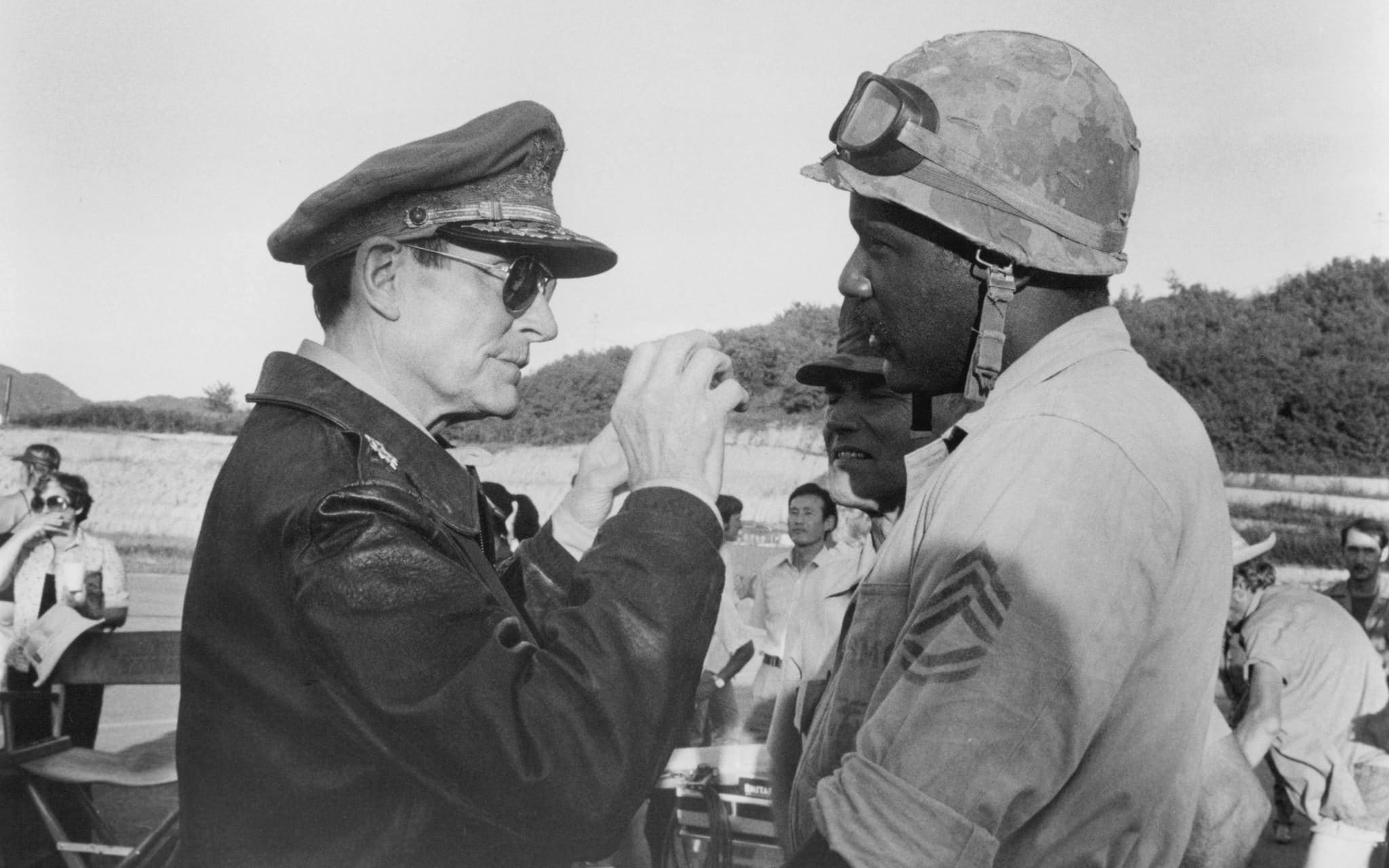 Lawrence Olivier for ‘Inchon’
It may be hard to believe but the ultimate thespian of both stage and screen, Lawrence Olivier, managed to land himself with a Razzie back in 1982. Olivier earned the award for his performance in the film, ‘Inchon’, which was based on the battle of Incheon, which took place during the Korean War. The film was critically slammed, and was seen as a drab and low-budget retelling of the story, but generally the reviews were not too harsh on Olivier’s performance. However, this did not prevent the actor from earning himself the worst award in Hollywood, beating out the likes of Christopher Atkins and Arnold Schwarzenegger for the honour.
 Daryl Hannah for ‘Wall Street’
In 1987, Michael Douglas earned himself his first and only acting Oscar for the critically acclaimed ‘Wall Street’. However, that same film earned his co-star Daryl Hannah a Razzie for ‘Worst Supporting Actress’. Whilst Hannah’s performance certainly is not the highlight of the film, the Razzies found her work poor enough to earn her the prize, and has been nominated for two more ‘Worst Supporting Actress’ awards since then.
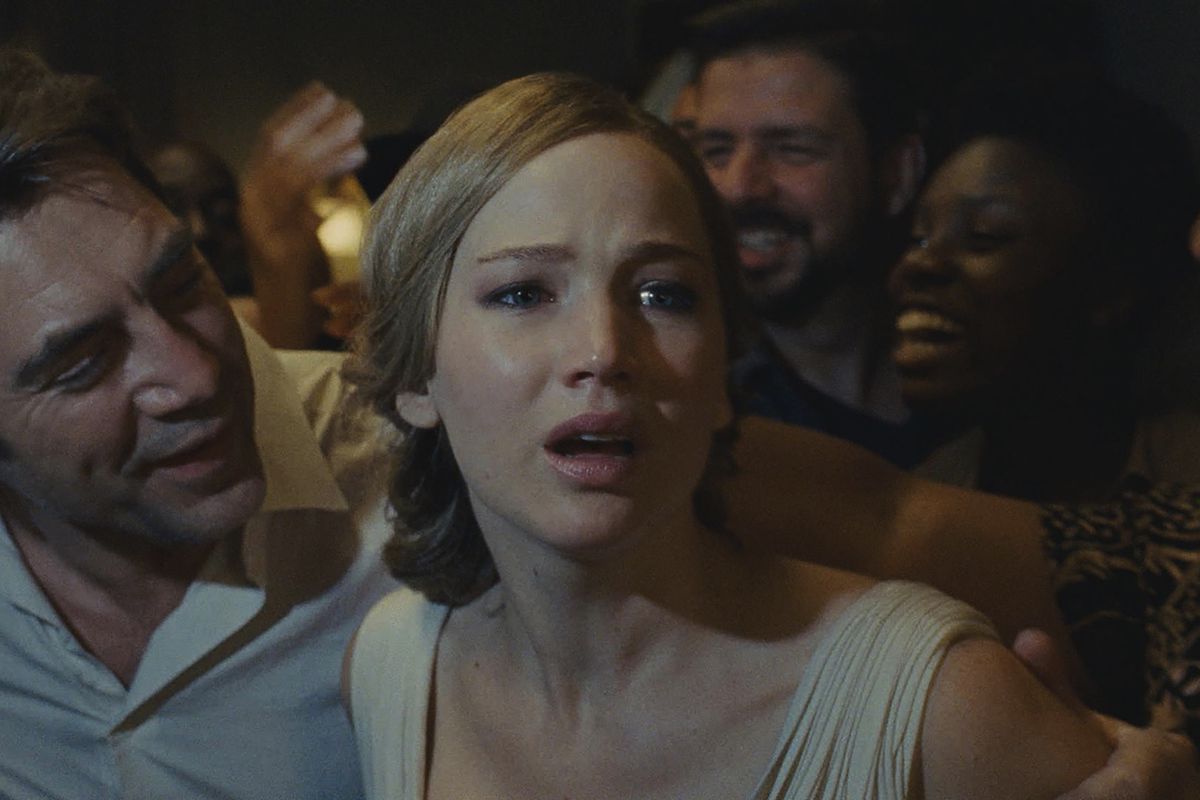 Darren Aronofsky for ‘Mother!’
When Darren Aronofsky released his film ‘Mother!’ starring Jennifer Lawrence, the film’s reception was fairly divisive. Many labelled it pretentious, whilst others found it to be an artistic interpretation of themes of environmentalism. However, even the film’s harshest critics more than likely did not expect to see Aronofsky nominated for ‘Worst Director’. Aronofsky has been well-known as a respected experimental director since the release of his first film ‘Pi’. He has even been nominated for ‘Best Director’ at the Oscars for his 2011 film ‘Black Swan’. However, the Razzies clearly thought that ‘Mother!’ was style over substance, and Aronofsky earned an infamous ‘Worst Director’ nomination.
 Aerosmith’s ‘I Don’t Want to Miss a Thing’
Bruce Willis’ ‘Armageddon’ is perhaps not the pinnacle of cinema, but there is no doubt that the film is a much-beloved piece of pulpy action fun. Aerosmith’s title track from the film ‘I Don’t Want to Miss a Thing’ became an international hit, making it to the number 1 spot in over ten countries. However, the Razzies do not take popularity into account when they are organising their nominations, and Steve Tyler’s soulful vocals and Joe Perry’s dramatic guitar riffs landed the group with the honour of ‘Worst Original Song’.
 The Bodyguard
1992’s ‘The Bodyguard’ is one of the best ever performers at the Razzies. The film earned itself seven nominations including the big three ‘Worst Film’, ‘Worst Actor’ and ‘Worst Actress’. However, the Razzie nominations were no indication for the success of the film. ‘The Bodyguard’ took in a whopping $411 million and the main track from the film, ‘I Will Always Love You’, remains Whitney Houston’s biggest song of all time.