


May this year recorded several firsts, a new king, the first coronation for 70 years, the first time junior doctors have been on strike since 1975, CPI inflation peaked in May at 10.2%, and three bank holidays – a first.
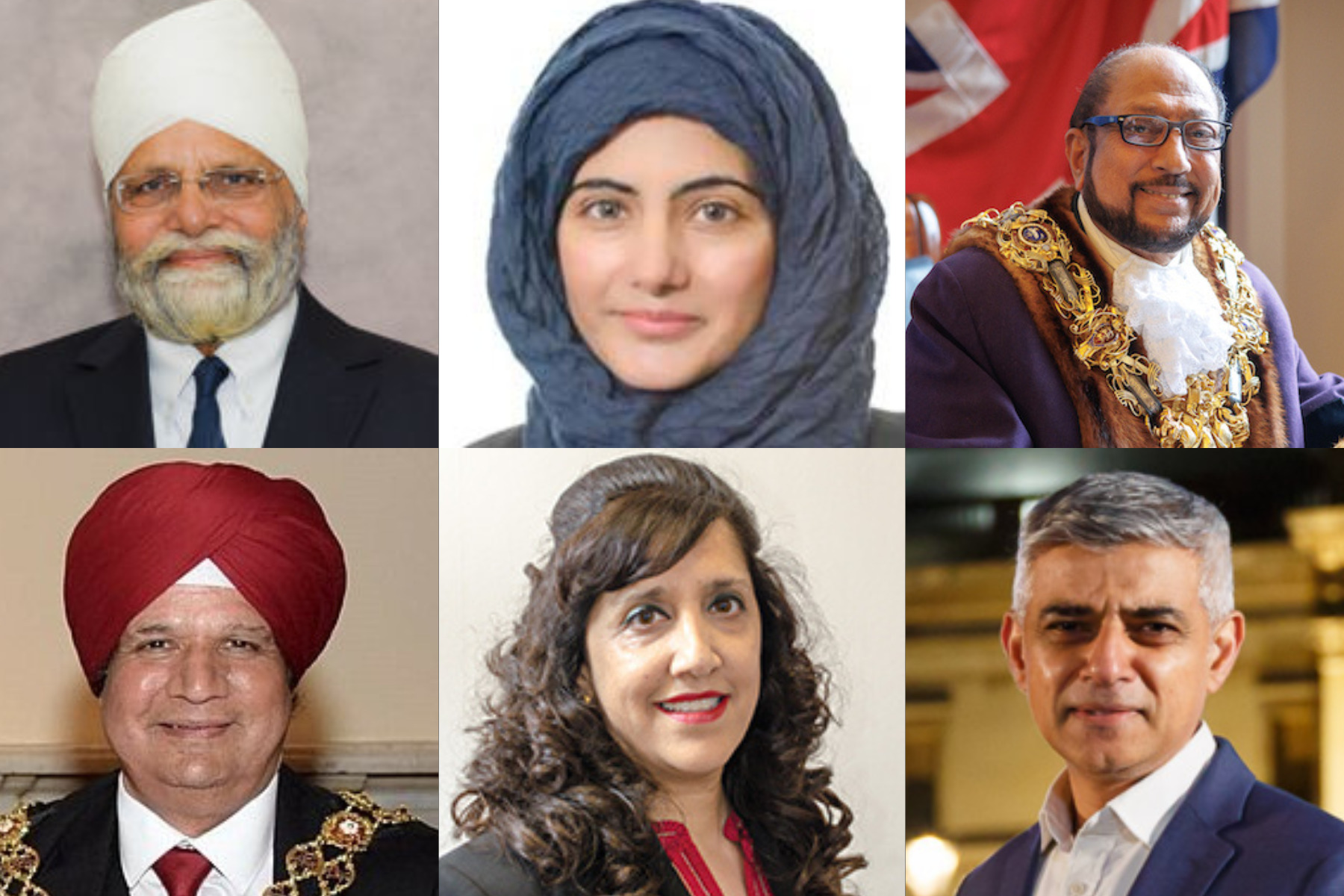
These ‘firsts’ are notable but not as remarkable as the number of South Asians who have accepted Mayoral posts in UK councils for the first time.
From Birmingham to Manchester, Tameside, through Coventry and elsewhere in the UK, South Asian candidates have been appointed Lord Mayor or chosen as Mayoresses – breaking barriers for their communities and setting a positive example for others.
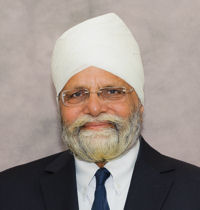
Take Jaswant Singh Birdi, the first Indian-origin turban-wearing Lord Mayor representing Coventry. Birdi achieved this feat with the support of his wife, three grandchildren, and thousands of constituents. He has had an illustrious career in local politics since 1990 and is now committed to making Coventry a better place for all its citizens through his role as Mayor.
Birdi’s appointment as non-political Mayor is significant because, as a Sikh, Birdi is proud to wear the Chains of Office and the turban, which he believes will showcase the happy multicultural city of Coventry and inspire others.
Similarly, Tafheen Sharif was elected Mayor of Tameside, making her the borough’s first Muslim Mayor ever elected. She has been an activist for many years and a leader of several campaigns related to housing and education.

Sharif’s focus as Mayor is to promote social cohesion and bridge divides within the communities she serves – which she believes can be achieved when people are recognised for their abilities rather than their backgrounds.
At her inauguration, Sharif said it was “symbolic of Tameside being a welcoming and diverse place where people are judged on their qualities.”
Yakub Patel is Preston’s first Indian-origin Muslim Mayor, with a vision to help young people achieve their dreams and ambitions. Despite the challenges of growing up in a traditional environment, he worked hard to become an entrepreneur and now wants to make sure that Preston’s youth can access the resources they need for success.

After the silent ceremony, Patel said, “I am honoured and delighted to become the Mayor of Preston, a city I am proud to call my home. I hope to make positive differences in the communities that I serve and also provide additional support through my Mayoral charities for the coming year,”

Chaman Lal is the first British-Indian Sikh Lord Mayor of Birmingham and is determined to ensure that his year as Mayor reflects the city’s diverse communities, cultures and backgrounds. He has been a councillor since 2006 and believes that Birmingham needs to be shaped by its citizens – not just for them.
Speaking at his mayoral ceremony, Lal said, “It will be a huge privilege to serve this city as First Citizen, and I look forward to representing Birmingham locally, nationally and internationally over the coming year.”
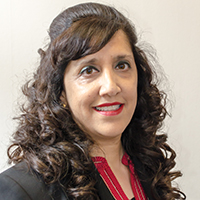
Yasmine Dar has made history by becoming Manchester’s 125th Lord Mayor and the first Asian woman to hold the ceremonial role – this is a first to be celebrated. She has dedicated her year in office to empowering the vulnerable and stigmatised, including those with mental health issues, domestic abuse victims, and prisoners.
For her year in office, Yasmine Dar has chosen ’empowerment’ as the theme, will always push for self-belief and self-empowerment, and stands up for those who cannot speak up for themselves.
Mayoral duties are mainly symbolic; according to gov uk, your Mayor carries out ceremonial duties and chairs meetings but can’t make decisions about council business. However, some councils have an elected mayor. They’re responsible for the day-to-day running of local services.

If we look at Sadiq Khan, Mayor of London, Khan has enormous powers, notably his unpopular Ulez commissions bill, which will be law in August this year, but it also shows us how much influence a mayor can have.
The emergence of more diverse Mayors from different backgrounds and ethnicities is an encouraging sign for the future. It’s important to remember that although their roles often mean they aren’t involved in decision-making, these role models inspire many young people and symbolise inclusion in their city. With the proper support, people from different walks of life can progress to leadership roles in any field, setting an example for future generations.
While the hope and goals of all the new mayors are laudable, we must ask – is representation improving? Are we becoming a more inclusive society? The answer is yes, but this is only the beginning, an important beginning and the start of a brighter future for Britain.
We must look beyond cultural representation to ensure genuine equality: equal pay, economic opportunities and access to education for all individuals regardless of race or gender. With more awareness of diversity and inclusion, we can work toward a society that values all its citizens equally.
Ultimately, true inclusivity means ensuring everyone has an equal and visible opportunity to reach the top. In all their diversity, the current crop of Mayors leads the charge towards a better future for Britain. Let us strive to honour their mission and continue to promote equality, inclusion and representation for all.