


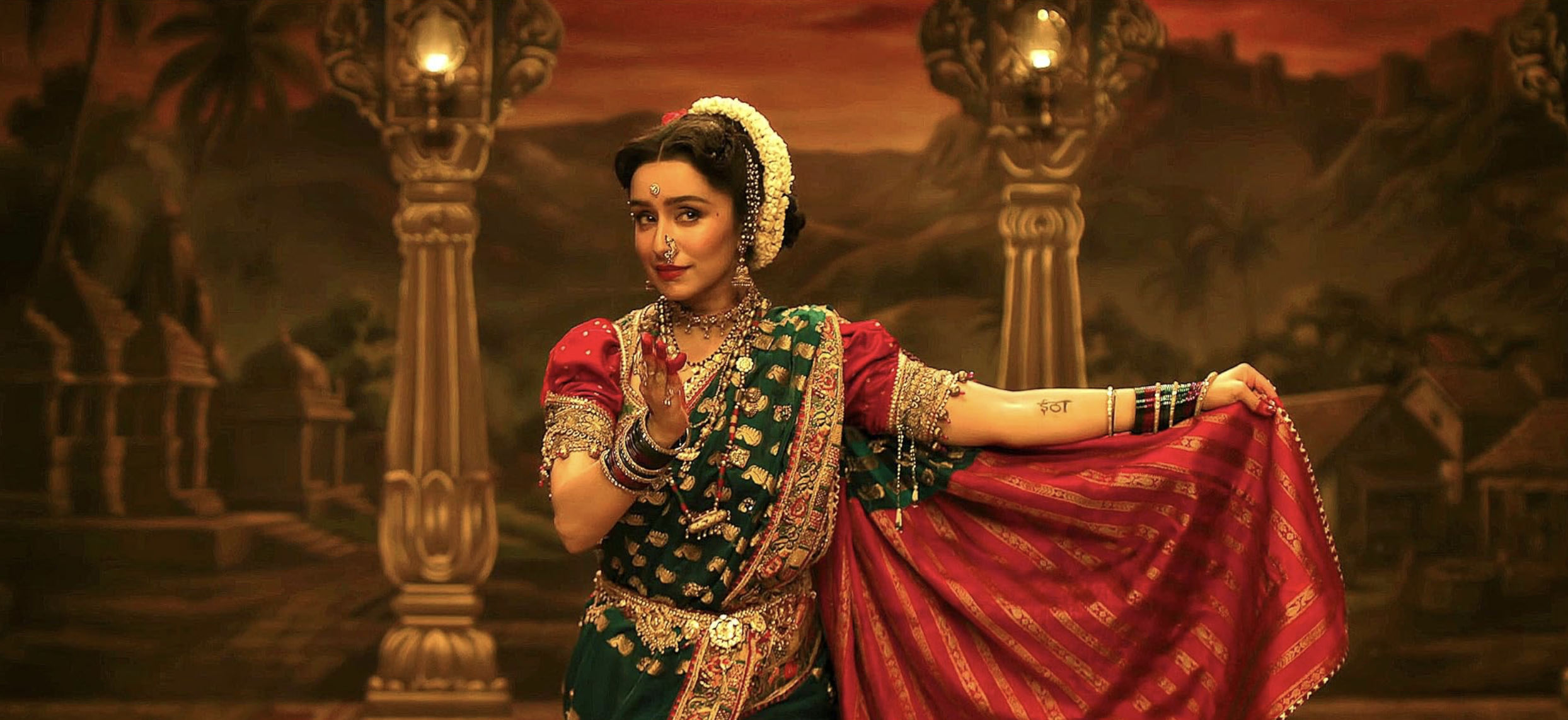
Before a single frame of Eetha hits the big screen, Shraddha Kapoor’s most ambitious role has already stirred up political controversy and found its resolution in a deeply meaningful way: through the family of the woman whose story the film tells.
Directed by Laxman Utekar and produced by Dinesh Vijan under Maddock Films, Eetha is a biographical drama about Vithabai Narayangaonkar, a celebrated Lavani and Tamasha folk artist from Maharashtra.
Vithabai rose from extraordinary poverty to become a beloved figure in Marathi history, and Shraddha Kapoor steps into her shoes for this portrayal, joined by Randeep Hooda and Mohammed Zeeshan Ayyub in important roles. The film is set to release worldwide on 28 August 2026.
The controversy began soon after the release of the film’s first teaser. While audiences and critics praised Shraddha’s raw, physically transformative performance, a stark departure from her previous roles, the Nationalist Congress Party’s Film and Cultural Department strongly objected to the film’s title, arguing it should reflect Vithabai’s actual name.
Babasaheb Patil, the Maharashtra State President of the NCP’s Film and Cultural Department, urged the directors to rename the film as Vitha or Vithabai.
They warned that the title Eetha could lead future generations to lose touch with the folk legend’s true identity. Vithabai’s grandson, Mohit Narayangaonkar, also joined the call for a title change, amplifying the pressure on the creators just as the promotional campaign was picking up.
Then came a significant voice in the discussion: Mangala Bansode Karavadikar, Vithabai Narayangaonkar’s eldest daughter. At 75, and a Tamasha artist herself, her connection to her mother’s legacy is profound.
Mangala’s statement was clear and impactful. “We have no objection to the film’s title,” she told The Times of India. “I have spoken with Mohit and requested him to refrain from further statements on this matter. The title is appropriate because, in those days, people from the villages where my mother performed often called her Eetha.”
This detail shifts everything. Eetha wasn’t just a marketing choice; it was a name of endearment given by the very audiences who loved Vithabai.
Mangala Bansode Karavadikar’s explanation reframes the title from a potential erasure of history, which the NCP had suggested, to a heartfelt tribute rooted in community.
This dispute also sparked a larger discussion about who truly has the authority over legacy and representation. While politicians and distant family members weighed in, it was Vithabai’s eldest daughter, a woman who witnessed her mother’s performances firsthand, whose voice mattered most. Her clarity effectively neutralised the title debate.
For British South Asian audiences, the cultural significance of Lavani as an art form might not be as familiar as Bollywood’s mainstream projects, but Vithabai Narayangaonkar’s story resonates beyond genre.
She fought for recognition in an art form historically sidelined by mainstream culture, becoming a legend despite the establishment. Now, her legacy is finally finding its way to the country’s biggest cinematic platforms, a universal story that deserves to be told.
The Eetha teaser, even amidst the surrounding controversy, has already generated significant excitement, showcasing Shraddha Kapoor in what could be the most transformative role of her career and hinting at a film that treats both its subject and its craft with the seriousness they deserve.