


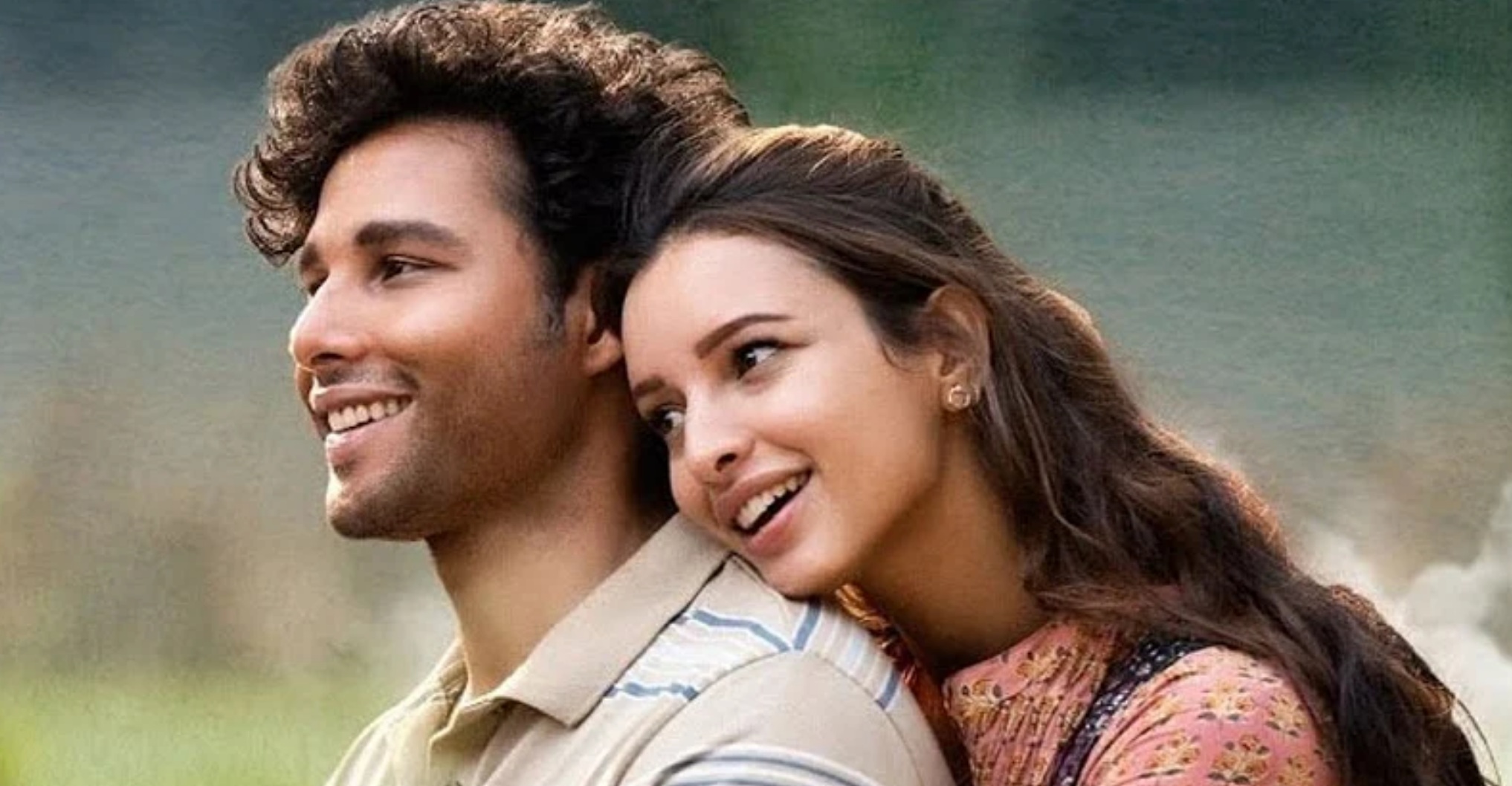
Cast: Triptii Dimri, Siddhant Chaturvedi, Zakir Hussain, Haider Ansari, Saurabh Sachdeva
Director: Shazia Iqbal
Platform: In cinemas from 1 August
Rating out 5: ★★★½
This film is a revolution dressed as a love story, a film that quietly positions the caste system, not any individual, as the central villain. The society in which Neelesh (Siddhant Chaturvedi) and Vidhi (Triptii Dimri) try to build a future is what deserves the blame: the inherited hierarchies, the quiet humiliations, the institutional prejudice that no single punch can undo. Director Shazia Iqbal doesn’t make magic; she holds a mirror to the everyday architecture of injustice, and that gives Dhadak 2 more teeth than most so-called social dramas.
Triptii Dimri anchors the picture. Vidhi starts life as a progressive, upper-caste student, brave in theory, comfortable in privilege. Dimri takes that character and makes her evolve with real courage. She isn’t a heroic figure handed a speech; she nervously stumbles into conviction. In the showdown with her own family, when she erupts over “ghar ki izzat” and gendered expectations, the fury and heartbreak crack through the screen. You don’t see an actress performing emotion, you see (and feel) an awakening. In that final breakdown, her voice strains off reality and into truth. That’s not accidental. That’s discipline and honesty.
Siddhant Chaturvedi is quietly excellent as Neelesh, the law student who becomes something more. There’s rage behind his eyes. He’s not a caricature of anger, but a man discovering it slowly, reluctantly, through mockery, social exclusion, even state violence. He learns that law doesn’t protect him the way lineage and prejudice do. That transition, from shame to self-possession is what the film lives in. And Chaturvedi doesn’t overpllay it: a clenched jaw, a silent protest seems to crack a ceiling.
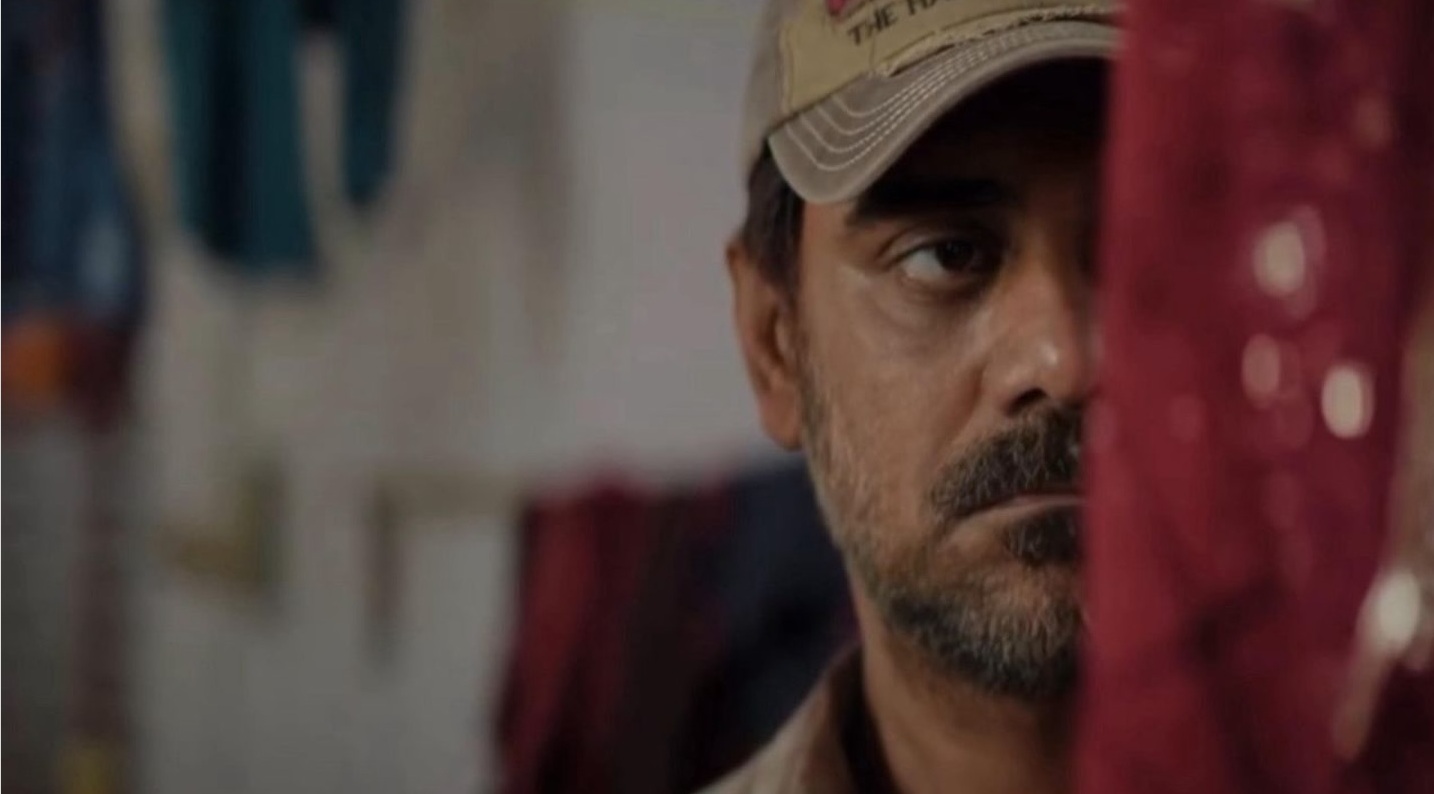
The real villain, though it’s hard to cast him as a man, is embodied by Saurabh Sachdeva. He plays a hired assassin, a caste hitman who sees himself not as evil, but as necessary. Minimal dialogue. A flick of the eyes. His presence is so still, so precise, that you don’t watch his performance,, you sense the gravity. He is the face of systemic oppression. That unspoken menace rests in rooms, dances in drawn curtains, and lives in the ritual of silence when power speaks.
Shazia Iqbal’s filmmaking shows restraint. The early scenes spark: Vidhi and Neelesh meeting in university, their cautious flirtations through poetry and protest. The camera doesn’t rush; it lets awkwardness breathe, heavy with unspoken class divide. But once caste blows up their lives, the tempo shifts into a measured drumbeat: humiliation, stairwells with echoing slaps, violence delivered like public ceremony. There is a little bit of melodrama but still there are also quiet hurricanes, escalating by degrees until words and fists can’t contain them.
Still, the film drags in parts. The first hour feels deliberate but sometimes too slow, like an argument circling but never landing. When the justice angle takes over, pacing tightens, but the screenplay occasionally resorts to old tropes for dramatic payoff like sob music, violent crescendo, a family twisted into caricature. It never overtakes the grounded moments, but it distracts. A tighter edit, especially in the middle stretch, might have amplified the final emotional punch.
Yet there’s beauty in the visuals. The production design opts for muted blues and greys for law school classrooms and daytime protests, unpolished hospital rooms. When protests erupt, they’re shot without filters, bodies press through each other, slogans hang in the air dusty with desperation. Vidhi’s family home glows in gilded respectability until anger crashes through. There’s no cinematic polish for its own sake. These are intentional spaces, built to feel claustrophobic or precious.
The dialogue rarely preaches, but it lands. Neelesh’s father (Vipin Sharma) speaks of identity, of survival, of dignity as inheritance. Their small scenes, him teaching his son to face the world are powerful precisely because they aren’t bombastic. And Zakir Hussain as the college dean reminds you blame isn’t always visible; sometimes it’s in what doesn’t happen in the silence when hope turns out to be conditional.
Triptii’s performance eclipses almost everyone. Later, her fury is the threat. And yet she
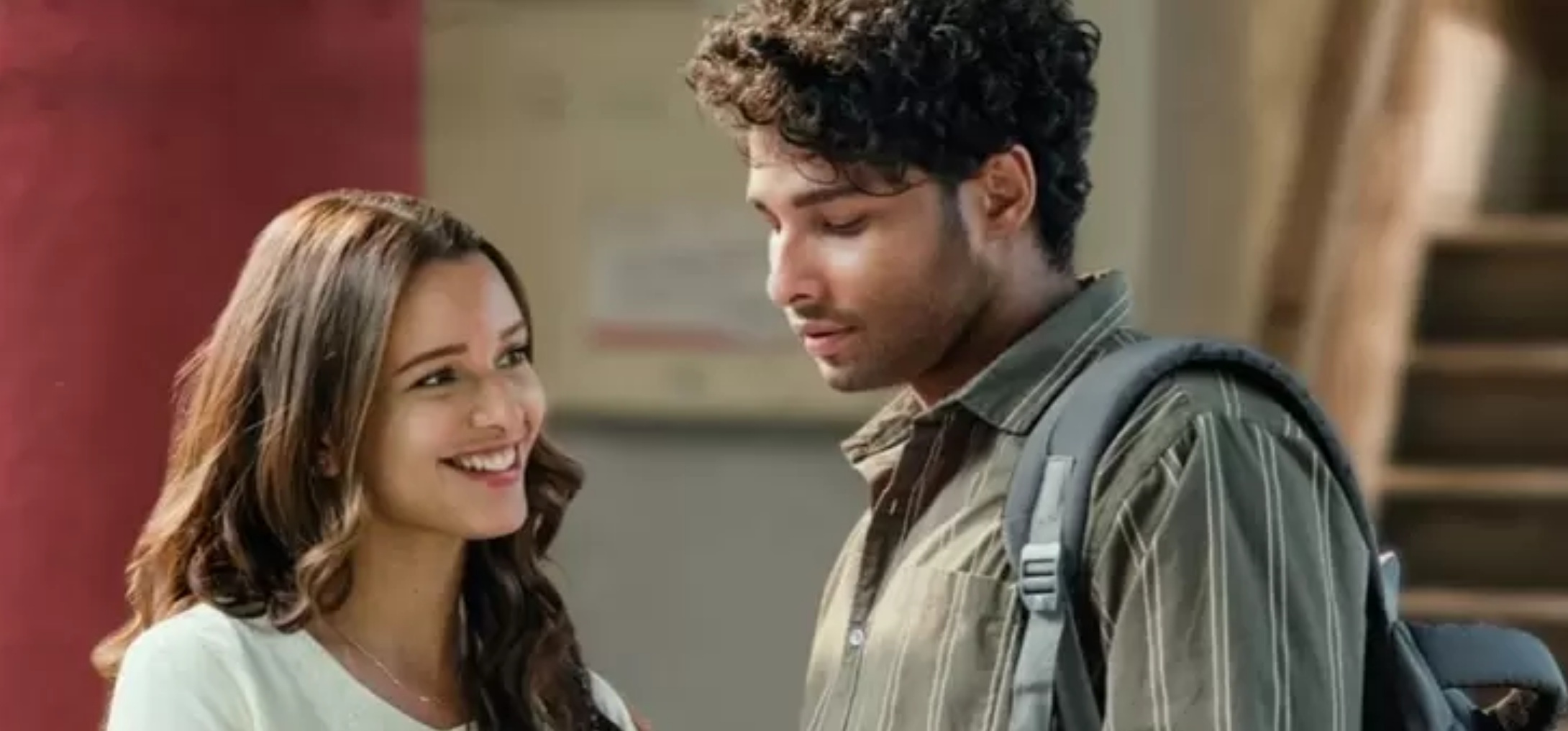
keeps soft eyes, like someone alive and breaking, both at the same time. That duality, normalcy and rupture is rare in debut performances. And it’s what grounds the film, keeps it tethered to truth rather than branding.
Yet for all its honesty, Dhadak 2 doesn’t fully escape limitations. It does not carry the raw intensity of its soul-story template. Some scenes feel too much like Bollywood-trained polish, elders over screaming, protest footage that crosses into motif territory. The music is effective, but songs sometimes feel like relief sessions rather than organic emotion: a soundtrack you hear, not something that builds empathy.
Still, what sticks isn’t the flaws, but the fracture lines. In the final act, Vidhi confronts her family at the graveside of justice. She yells, voice cracking not for love, but for rights. That scream silences a burner of caste hatred. That sequence lingers. It’s not a cinematic strike; it’s moral demand.

Three-and-a-half stars. One for the screenplay that dares to look caste in the eye. One for Triptii Dimri’s performance, which will echo long after her contemporaries fade. One for Siddhant Chaturvedi’s Neelesh, who wears anger like a second skin and finds clarity as a defense. Half a star for Saurabh Sachdeva, a silent menace with more impact than most of the talking characters combined.
If Dhadak 2 were just another Bollywood romance, it would’ve failed. But it’s not. It’s unapologetic in its unflinching gaze at caste violence. It doesn’t promise clean endings. It doesn’t wrap pain in prettified shots. And for that, it deserves respect.
It’s not quite the original’s intensity but it’s a step. A loud, protagonist’s voice raised against a brutal system. A movie that doesn’t pretend villainy is one man, it’s centuries of hierarchy.
And it reminds you that love in such terrain isn’t just tragic: it’s courageous.